Most of us turn on the tap without giving it a second thought. We fill the kettle, rinse vegetables, take a shower, and carry on with the day. But when water starts leaving white marks on fixtures, tastes a little strange, or smells different than usual, it’s natural to wonder what’s going on.
The tricky part is that water quality problems don’t always announce themselves. Some are easy to spot, while others cannot be detected by sight, taste, or smell alone. That’s why understanding your household water is more useful than guessing which filter might solve the problem. A simple test can provide a starting point, helping you make informed decisions about treatment and avoid buying equipment you may not need.
Why Knowing Your Water Quality Matters
Water comes from different sources, and its characteristics can vary significantly from one area to another. Municipal supplies are generally treated and monitored to meet drinking water requirements, but the water entering your home can still have qualities that affect its taste, appearance, or performance around the house.
Private wells present a different situation. Their water quality may change because of seasonal conditions, nearby agricultural activity, groundwater movement, or problems with the well itself. Owners generally need to arrange appropriate testing rather than assume their supply remains safe year after year.
Even in homes connected to a public water supply, plumbing can make a difference. Older pipes and fixtures may affect the water after it enters the property. If you notice a sudden change in colour, smell, or taste, contact your water provider and consider whether the plumbing needs inspection.
The important thing is to identify the concern before choosing a solution. A filter designed to improve flavour won’t necessarily address a problem involving dissolved metals or microorganisms.
Start With a Free Water Test
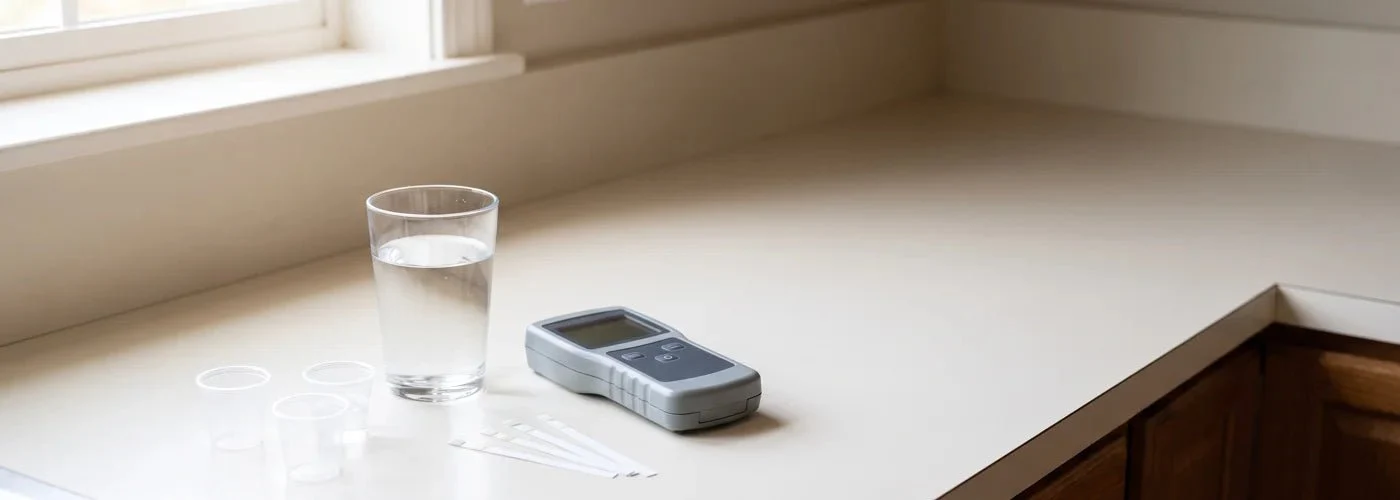
For homeowners who aren’t sure where to begin, a free water test offered by a water treatment company can be a convenient first step. Depending on the provider, the assessment may include measurements such as hardness, pH, or the presence of certain common substances.
It’s worth checking what the test actually covers. Some free assessments are basic screening services intended to identify common treatment needs, while more comprehensive laboratory testing may involve an additional charge. Neither approach should be mistaken for the other.
Ask the provider which parameters are measured, whether the results are provided in writing, and what the limitations are. If a health-related contaminant is suspected, an appropriately accredited laboratory may be necessary. A simple in-home demonstration cannot reliably rule out every drinking water risk.
You should also feel comfortable asking questions before agreeing to purchase equipment. A trustworthy provider should explain the results clearly, describe the available options, and give you time to consider your decision.
Testing isn’t about finding a reason to install the most expensive system. It’s about understanding the water you have and deciding whether anything actually needs to change.
Understanding Hard Water and Its Everyday Effects
One of the most common findings in household water testing is elevated mineral content. Water containing higher levels of dissolved calcium and magnesium is described as hard water.
Although hardness is not generally considered a health concern at typical drinking water levels, it can create a variety of household annoyances. You might notice white deposits around faucets, spots on glassware, or a chalky layer inside your kettle. Soap may also lather less readily, leaving bathrooms and shower screens harder to clean.
These minerals can accumulate as scale inside water heaters and other equipment that regularly heats water. Significant buildup may reduce efficiency or increase maintenance needs, depending on the appliance and operating conditions.
If hardness is the main issue, a water softener may help. Most conventional softeners use ion-exchange resin to replace calcium and magnesium ions with sodium or potassium ions. This reduces hardness and helps control scale formation.
However, not every household needs a softener. The right decision depends on the measured hardness, how the water is used, and whether the benefits justify the installation and ongoing costs. A water test helps establish that baseline.
What Taste and Smell Can Tell You
Water that smells strongly of chlorine or has an unusual metallic or earthy flavour can be unpleasant, even when it looks perfectly clear. These characteristics may be related to treatment disinfectants, naturally occurring minerals, organic material, plumbing, or other factors.
Changes in taste and odor can provide useful clues, but they aren’t a reliable safety test. Some substances affect flavour or smell at low concentrations, while other contaminants may have no noticeable sensory effect at all.
If the issue appears suddenly, check whether your water supplier has reported maintenance work or a change in supply conditions. You can also compare water from different taps to see whether the problem seems limited to one fixture. If the water looks unusual or you suspect contamination, avoid relying on it for drinking until you have followed advice from the appropriate water authority.
For a persistent chlorine taste, an appropriately certified activated carbon filter may be helpful. Other concerns may require different treatment technologies, so the solution should match the cause rather than the symptom alone.
Choosing the Right Treatment After Testing
Once you understand the test results, you can compare treatment options more confidently. Different technologies address different concerns, and no single system removes every possible contaminant.
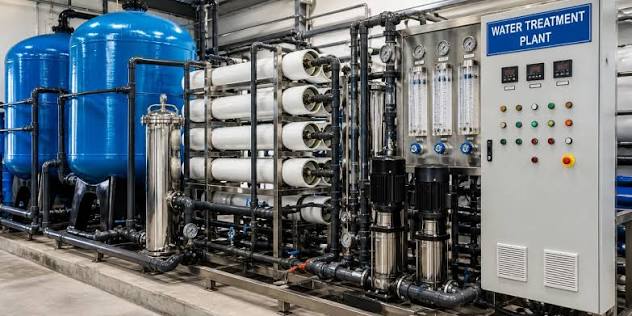
Sediment filters capture suspended particles. Activated carbon can reduce chlorine taste and odour and certain organic compounds. Reverse osmosis can reduce a range of dissolved substances, depending on the system design and its verified performance. Ultraviolet treatment can inactivate certain microorganisms, but it does not remove dissolved salts or most chemical contaminants.
The key is to look for independently verified performance claims that match your specific concern. Certification for chlorine taste reduction, for example, should not be interpreted as proof that a filter removes lead, nitrate, or bacteria.
Think about where treatment is needed, too. A filter installed beneath the kitchen sink may be sufficient if your main concern is drinking water. A whole-house system may be more appropriate for certain issues affecting multiple taps, plumbing, or appliances.
Before purchasing, compare the initial price with replacement filters, maintenance, water consumption, and expected equipment life. A cheaper system can become expensive if replacement parts are difficult to find or servicing is frequent.
Don’t Forget Regular Testing and Maintenance
Water quality isn’t necessarily fixed forever. Well water can change with the seasons, and problems may arise from plumbing work, flooding, or changes in the surrounding environment. Follow local recommendations for repeat testing, especially if your home relies on a private well.
Treatment equipment also needs routine care. Replace filters according to the manufacturer’s schedule, keep records of servicing, and pay attention to changes in flow, taste, or odour. If the system includes a maintenance indicator, treat it as a helpful reminder rather than a substitute for proper inspection.
If testing reveals a serious concern, consult your local water supplier, public health authority, or a qualified water treatment professional. Choose corrective measures based on the actual results.
Make Your Next Step an Informed One
You don’t need to become a water quality expert to make a good decision for your home. Start by noticing what has changed, reviewing available water quality information, and arranging suitable testing when necessary.
A basic screening can help identify common issues, while more specialised laboratory analysis may be needed for health-related concerns. Once you know what you’re dealing with, choosing a filter or softener becomes far less confusing.
Good water treatment isn’t about buying equipment just because it promises cleaner, fresher water. It’s about understanding your supply, addressing genuine problems, and maintaining the solution properly. A little information at the beginning can save money, reduce frustration, and help you feel more confident about the water your household uses every day.