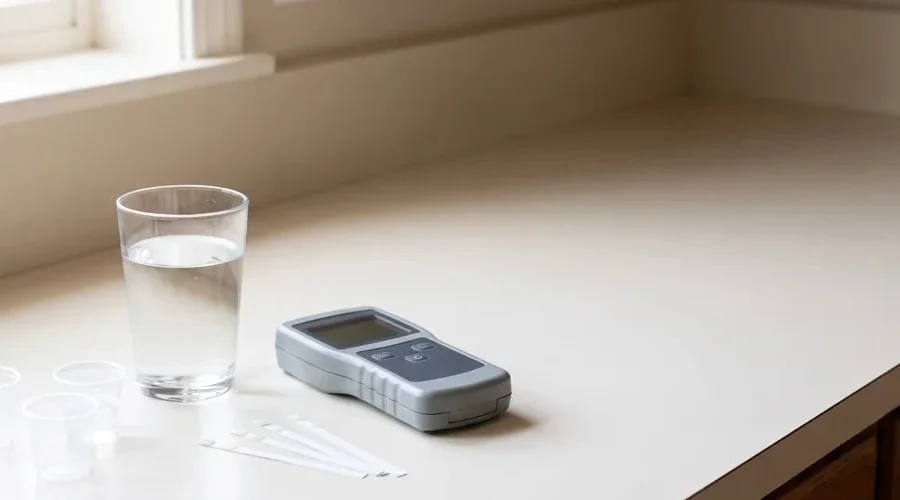
Water is something most of us use without giving it a second thought. We fill a glass, make a cup of tea, wash vegetables, and get on with the day. But have you ever noticed an unusual taste, a strange smell, or a stain around your kitchen sink? These small clues can sometimes point to changes in water quality. Not every change means there’s a serious problem, of course, but understanding what might be happening helps you make better decisions about your home’s water supply.
Clean-looking water isn’t always free from unwanted substances. Some contaminants affect taste and appearance, while others may pose health risks even when the water looks perfectly normal. Knowing the basics is a practical first step toward safer drinking water.
Why Water Quality Deserves More Attention
Water quality can vary considerably depending on where you live and how your water reaches your home. Municipal supplies are generally treated and monitored, but water can still pick up contaminants as it travels through aging pipes or household plumbing. Private wells have their own challenges, especially when nearby agricultural activity, damaged well caps, or changing groundwater conditions affect the supply.
The important thing is not to assume that every home has contaminated water, nor to assume that clear water is automatically safe. Regular testing, sensible maintenance, and attention to unusual changes offer a more reliable approach than guesswork.
The Role of Chlorine in Drinking Water
Many municipal water providers use chlorine to disinfect drinking water and control harmful microorganisms. This treatment plays an important role in public health because it helps protect water as it moves through distribution pipes. Without effective disinfection, disease-causing organisms could create significant risks for communities.
Still, some people notice a swimming-pool-like smell or taste in their tap water. Chlorine can contribute to that sensation, although the intensity varies with treatment levels, temperature, and plumbing conditions. If the taste bothers you, a properly maintained activated-carbon filter may help reduce it.
However, removing disinfectants without understanding your water supply isn’t always wise. If you’re concerned about an unusually strong odor or sudden change, contact your water provider or arrange suitable testing before choosing a treatment system.
Lead: A Contaminant You Should Never Ignore
Unlike substances that mainly affect taste, lead can create serious health concerns without giving water an obvious warning sign. It may enter drinking water when water passes through lead service lines, older plumbing, or fixtures containing lead components. The risk depends on the materials present, water chemistry, and how long water remains in contact with those materials.
Children and pregnant people are particularly vulnerable to lead exposure. Even so, households of any age should take possible contamination seriously. Boiling water does not remove lead and may concentrate it as water evaporates.
If your home has older plumbing or you suspect lead-containing components, arrange testing through a qualified laboratory or local water authority. Use a filter specifically certified for lead reduction if recommended, and follow its replacement schedule carefully. Long-term protection may also require replacing affected pipes or fixtures.
Nitrates and the Importance of Testing Well Water
For households that depend on private wells, nitrates deserve particular attention. These compounds can enter groundwater through fertilizer runoff, animal waste, leaking septic systems, and other sources of contamination. Because they cannot reliably be detected by sight, smell, or taste, a glass of clear water tells you very little about their concentration.
High nitrate levels can be especially dangerous for infants under six months old because exposure can interfere with the blood’s ability to carry oxygen. Pregnant people and others with specific health concerns should also discuss potential exposure with a healthcare professional.
Private well owners should test their water regularly, including for nitrate levels. Testing is especially important after flooding, nearby agricultural changes, or repairs to the well system. If results exceed applicable drinking-water limits, use an approved alternative water source for drinking and cooking until an appropriate treatment solution is confirmed.
Bacteria: When Microorganisms Become a Concern
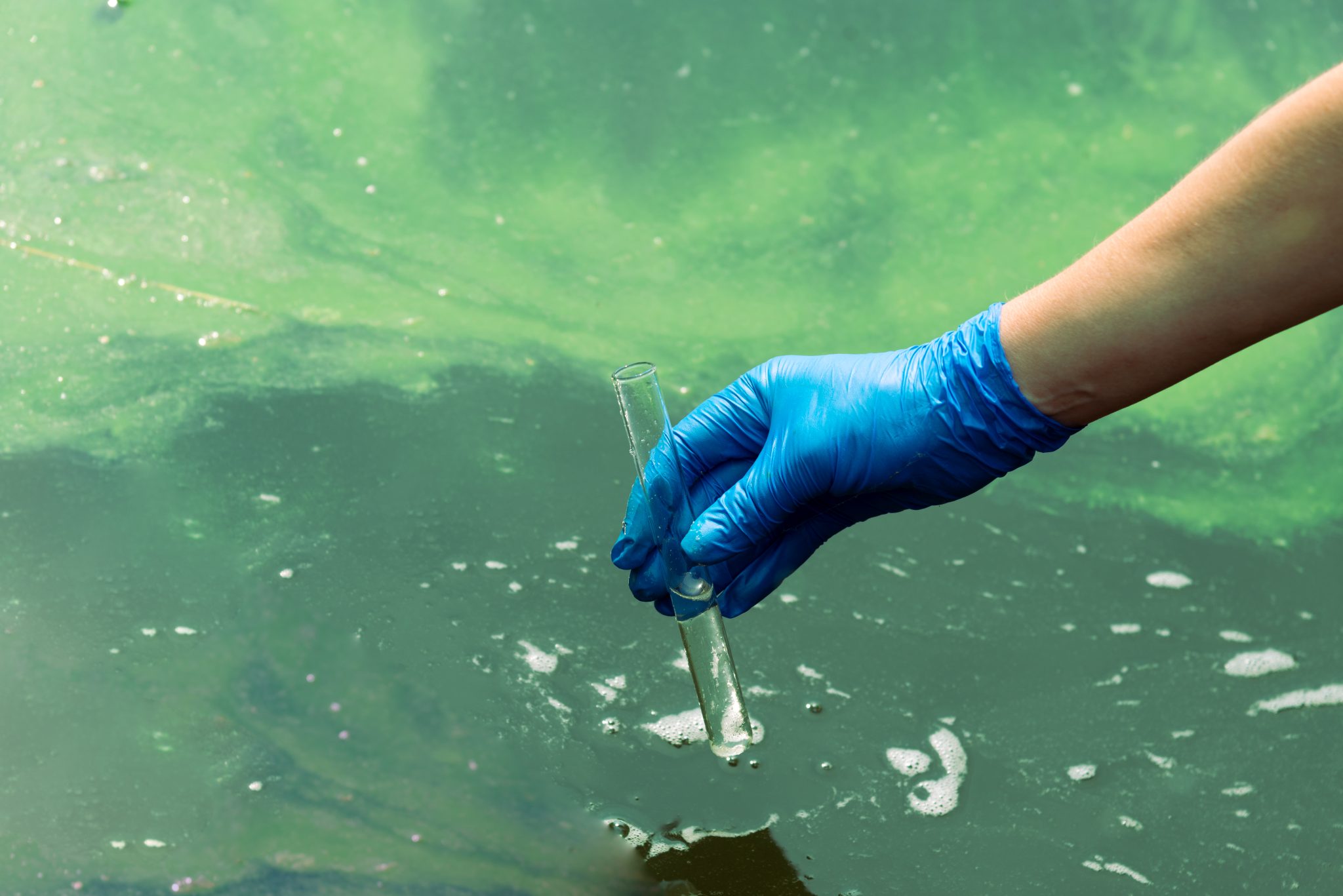
A well-maintained water supply should be protected against disease-causing microorganisms, but contamination can occur when a well is damaged, surface water enters the system, or plumbing is compromised. Certain bacteria can indicate that harmful contamination may be present, even if the water appears normal.
Symptoms associated with waterborne illness can include diarrhea, stomach cramps, nausea, and vomiting, although these symptoms have many possible causes. You shouldn’t try to identify contamination based on symptoms alone.
Testing for indicator organisms, such as E. coli and total coliform bacteria, can help determine whether a water supply may be compromised. If a private well tests positive for E. coli, follow local public-health guidance promptly and use a safe alternative water source until the issue has been investigated and resolved. Boiling may be recommended for microbial contamination, but it isn’t a solution for chemical pollutants such as lead or nitrates.
What About Methane Gas in Water?
In some regions, groundwater may contain naturally occurring methane gas. It can also be associated with certain industrial activities or changes in underground conditions. Methane is not usually recognized by a distinctive taste, and its presence may go unnoticed until water is drawn from a tap.
When dissolved methane escapes from water, it can collect in enclosed spaces and create a fire or explosion hazard at sufficient concentrations. Bubbles, sputtering faucets, or cloudy water that clears after standing may prompt investigation, but these signs aren’t proof of methane contamination.
If methane is suspected, seek professional assessment rather than experimenting with homemade treatment equipment. Testing should determine whether methane is present and at what concentration. Depending on the results, a specialist may recommend properly designed ventilation or water-treatment equipment installed in accordance with relevant safety standards.
Blue-Green Stains: A Clue From Your Plumbing
Have you noticed turquoise or blue-green marks around faucets, drains, or the inside of a bathtub? Blue-green stains may develop when water interacts with copper plumbing and carries dissolved copper onto surfaces. Water chemistry, including acidity and corrosiveness, can influence how much copper leaches from pipes.
These stains don’t automatically mean your water is dangerous, but they shouldn’t be dismissed if they keep returning. Elevated copper levels can affect taste and may cause health problems at sufficiently high exposure levels. Corrosive water can also damage plumbing over time.
Consider testing for copper and checking whether the staining occurs throughout the house or only at particular fixtures. A licensed plumber or water-treatment professional can assess the plumbing and recommend suitable corrective measures. Cleaning the stain alone won’t solve the underlying problem if the water continues to corrode copper components.
Choosing the Right Water Treatment
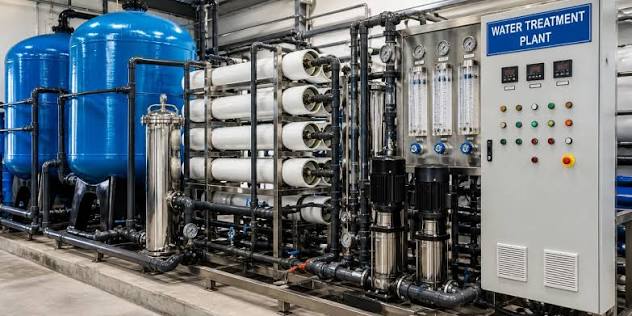
There is no single filter that removes every contaminant. Activated-carbon systems can improve taste and reduce certain chemicals, while reverse-osmosis units may reduce several dissolved contaminants when properly selected and maintained. Ultraviolet treatment can help control microorganisms, but it does not remove dissolved metals or nitrate.
The right choice depends on verified test results, household water use, and the performance claims of the equipment. Look for independent certification for the specific contaminant you want to reduce, and remember that filters require timely replacement. A system that once worked well may become less effective if neglected.
A Better Relationship With Your Water
You don’t need to become a water-quality expert overnight. Start by learning whether your home uses a public supply or a private well, review available water-quality reports, and investigate persistent changes in taste, smell, or appearance. For private wells, establish a regular testing schedule based on local recommendations.
Most importantly, let evidence guide your decisions. Water quality is rarely something you can judge by appearance alone, but it is something you can investigate with the right tests and professional advice. A little attention today can help protect your household and provide greater confidence every time you turn on the tap.