Water is one of those everyday essentials that rarely gets much attention until something goes wrong. At home, it might be the white scale collecting around your taps or drinking water that doesn’t taste quite right. In a business, the signs can be harder to ignore: equipment that needs frequent cleaning, stained fixtures, inconsistent product quality, or rising maintenance costs.
These problems may seem unrelated, but they often point to the same underlying issue. Water quality affects more than what’s coming out of a tap. It can influence how appliances perform, how comfortable a home feels, and how efficiently a business operates.
The challenge is that no two properties have exactly the same needs. A family using municipal water may need something very different from a restaurant relying on groundwater or a hotel with high daily water consumption.
Finding the right solution starts with understanding those differences and choosing treatment that fits the situation.
Why Water Quality Matters More Than You Think
Water contains naturally occurring minerals and may also contain substances introduced through treatment, distribution, or environmental conditions. Many are harmless at typical levels, while others can cause practical problems or require specific attention.
Hard water, for instance, contains elevated levels of calcium and magnesium. It can leave deposits on taps, showerheads, kettles, and heating elements. Chlorine used in municipal disinfection may affect taste and odour, while sediment can interfere with plumbing fixtures and certain appliances.
In some circumstances, water may contain contaminants that cannot be identified by sight, smell, or taste. That’s why an attractive-looking glass of water isn’t proof that the supply is safe.
Understanding what’s present helps property owners avoid two common mistakes: ignoring a genuine problem or spending money on equipment that doesn’t address it.
A little investigation upfront can save time, frustration, and unnecessary expense later.
Finding the Right Fit for a Household
A home should be a place where daily routines feel straightforward. Water shouldn’t make cooking, cleaning, bathing, or laundry more difficult than necessary.
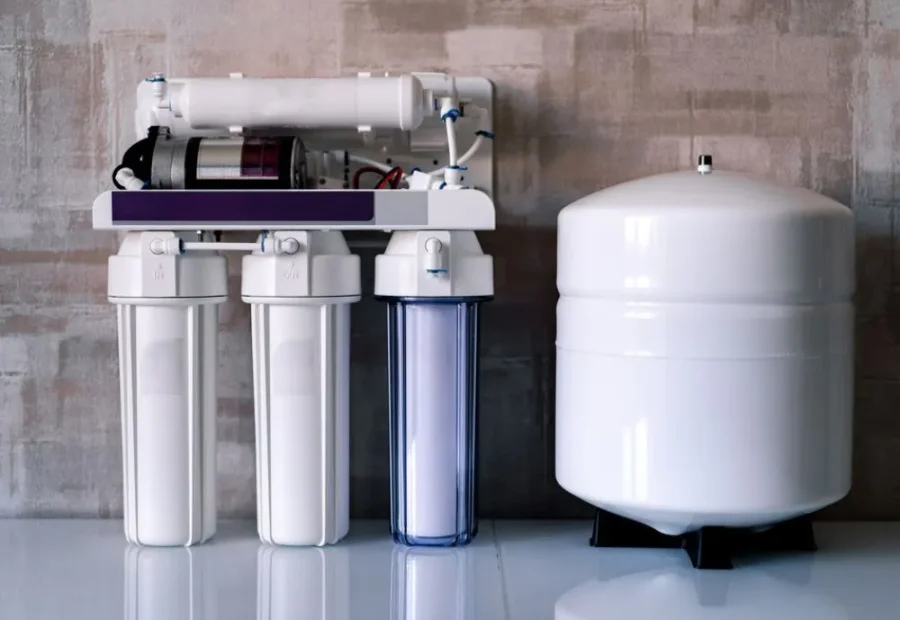
Well-chosen residential water solutions can address specific concerns without adding unnecessary complexity. For example, a household struggling with mineral scale may benefit from a water softener that reduces calcium and magnesium. If drinking water has an unpleasant chlorine taste, an appropriately selected activated carbon filter may help improve it.
Where testing identifies particular dissolved contaminants, a reverse osmosis system or another specialised filter may be worth considering. The right choice depends on the substances present and the equipment’s verified performance.
It’s important not to assume that one device can do everything. A softener is designed primarily to address hardness, not to remove every contaminant. Likewise, a drinking water filter installed beneath the kitchen sink won’t necessarily protect showers, washing machines, or the rest of the plumbing.
Think about how your family uses water throughout the day. Is the main concern drinking water, scale across the property, or several issues at once? Available space, water pressure, household size, and maintenance preferences should also influence the decision.
A system that matches your actual needs is usually a better investment than one chosen simply because it has the most features.
Businesses Have Different Water Demands
For a business, water quality can affect daily operations, equipment performance, and the experience customers receive. The impact varies by industry, but even seemingly minor problems can become expensive when they happen repeatedly.
A restaurant may need reliable water quality for beverage preparation, cooking, dishwashing, and ice production. Scale inside coffee machines can affect performance and increase servicing needs. Poorly managed water can also influence the taste and consistency of drinks.
Hotels and gyms have another set of concerns. High water consumption, showers, laundry facilities, and heating equipment can make hardness and scale particularly important. In manufacturing, water specifications may be tied directly to product quality or process requirements.
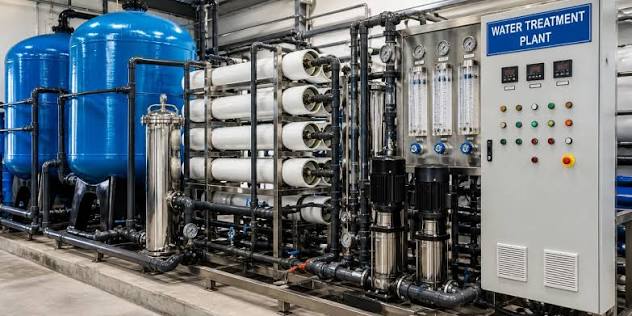
Suitable commercial water solutions should reflect the business’s actual operating conditions. A small café may need targeted filtration for coffee and ice machines, while a larger facility could require centralised treatment designed around its water demand.
Capacity is especially important. Equipment must be able to handle peak usage, not merely average consumption. A system that works well during quiet periods may struggle when several outlets operate simultaneously.
Business owners should also consider downtime, service availability, replacement parts, and the cost of maintaining equipment. A lower purchase price isn’t necessarily a bargain if the system requires frequent repairs or fails to deliver consistent results.
Before choosing a solution, identify which water-related problems have the greatest effect on operations. That makes it easier to prioritise improvements and evaluate the likely return on investment.
Why Testing Should Come Before Treatment
It’s tempting to select equipment based on visible symptoms or a recommendation from a friend. Unfortunately, similar symptoms can have different causes, and the same treatment won’t work for every situation.
Reliable water testing provides a clearer starting point. Depending on the water source and concerns, testing may examine hardness, pH, dissolved solids, iron, or specific contaminants. Microbiological testing may also be necessary, particularly for private wells or where contamination is suspected.
The type of test matters. A basic screening can provide useful information, but it may not detect every substance of concern. If you’re worried about a particular contaminant, make sure the testing method is designed to measure it.
For businesses, testing can also help establish operational requirements. A water analysis may show whether a process needs softened water, sediment filtration, or more specialised treatment. It can prevent investment in equipment that doesn’t solve the underlying issue.
Once the results are available, compare treatment options against the findings. Ask suppliers to explain what their systems remove, how well they perform, and what maintenance is needed to keep them working effectively.
Testing isn’t just a technical step. It’s a way to make a more informed decision and avoid paying for unnecessary features.
Consider the Full Cost, Not Just the Price Tag
Water treatment costs vary according to system type, capacity, installation requirements, and water conditions. A compact filter may involve relatively little installation work, while a whole-property or commercial system can require plumbing modifications and more extensive servicing.
Look beyond the initial quotation. Replacement cartridges, salt, electricity, water consumption, routine maintenance, and occasional repairs can all contribute to long-term costs.
For commercial properties, downtime deserves particular attention. A treatment system that protects valuable equipment or helps maintain production quality may offer benefits beyond the water itself. Those benefits should be assessed realistically rather than assumed.
Ask for a clear breakdown of installation and ongoing expenses. If comparing providers, give each one the same water analysis and operating requirements. That creates a fairer basis for comparing recommendations.
A trustworthy supplier should be willing to explain both the advantages and limitations of the proposed equipment.
Good Maintenance Makes the Difference
Even the right treatment system needs proper care. Filters require replacement, softeners may need replenishment and servicing, and specialised equipment may require periodic checks to confirm performance.
Follow the manufacturer’s maintenance schedule and investigate changes in taste, odour, water flow, or appearance. Businesses should keep service records and arrange maintenance at suitable times to minimise disruption.
For private wells, periodic testing remains important even after treatment is installed. Water conditions can change, and no single system protects against every possible contaminant.
Small, consistent maintenance steps can prevent bigger problems and help extend the useful life of treatment equipment.
Better Water Starts With a Clear Plan
Whether you’re improving water quality at home or managing a busy commercial property, the best approach is surprisingly similar: understand the problem, test when necessary, and choose treatment that meets your actual needs.
There’s no universal system that works for every building. A practical solution is one that delivers the required performance, fits the available budget, and can be maintained without unnecessary hassle.
With the right information and a little planning, better water becomes less of a guessing game and more of a sensible long-term investment.