Most people don’t give their plumbing much thought until something stops working. The kitchen sink backs up just as dinner is being prepared, the shower turns cold halfway through the morning, or a strange damp patch appears on a wall that was perfectly dry yesterday. Suddenly, a system that usually works quietly in the background becomes a major concern.
The good news is that many plumbing problems can be managed more easily when they’re caught early. Regular maintenance, sensible upgrades, and help from a qualified plumber can protect your home from unnecessary damage. It also helps to understand which repairs are worth prioritizing and when an older system may need more than a quick fix.
Why Everyday Plumbing Maintenance Matters
A home’s plumbing system handles a surprising amount of work. It supplies water for cooking, cleaning, bathing, and laundry while carrying wastewater safely away. Over time, everyday use can wear down fixtures, loosen connections, and allow residue to collect inside pipes.
Small warning signs are easy to overlook. A faucet that drips overnight might not seem urgent, and a sink that drains slowly may still be usable. But these issues can indicate worn components, developing blockages, or other problems that deserve attention.
Make a habit of checking the areas where plumbing trouble often begins. Look beneath sinks for moisture, inspect exposed pipes for corrosion, and pay attention to changes in water pressure. A sudden rise in your water bill can also be a clue that water is escaping somewhere out of sight.
You don’t need to inspect every connection every weekend. A quick look around the kitchen, bathrooms, laundry area, and water heater from time to time can help you spot something unusual before it turns into a costly repair.
Knowing When Your Water Heater Needs Attention
Hot water is one of those comforts that becomes obvious only when it’s missing. A cold shower before work is unpleasant enough, but inconsistent hot water can also disrupt laundry, dishwashing, and other daily routines.
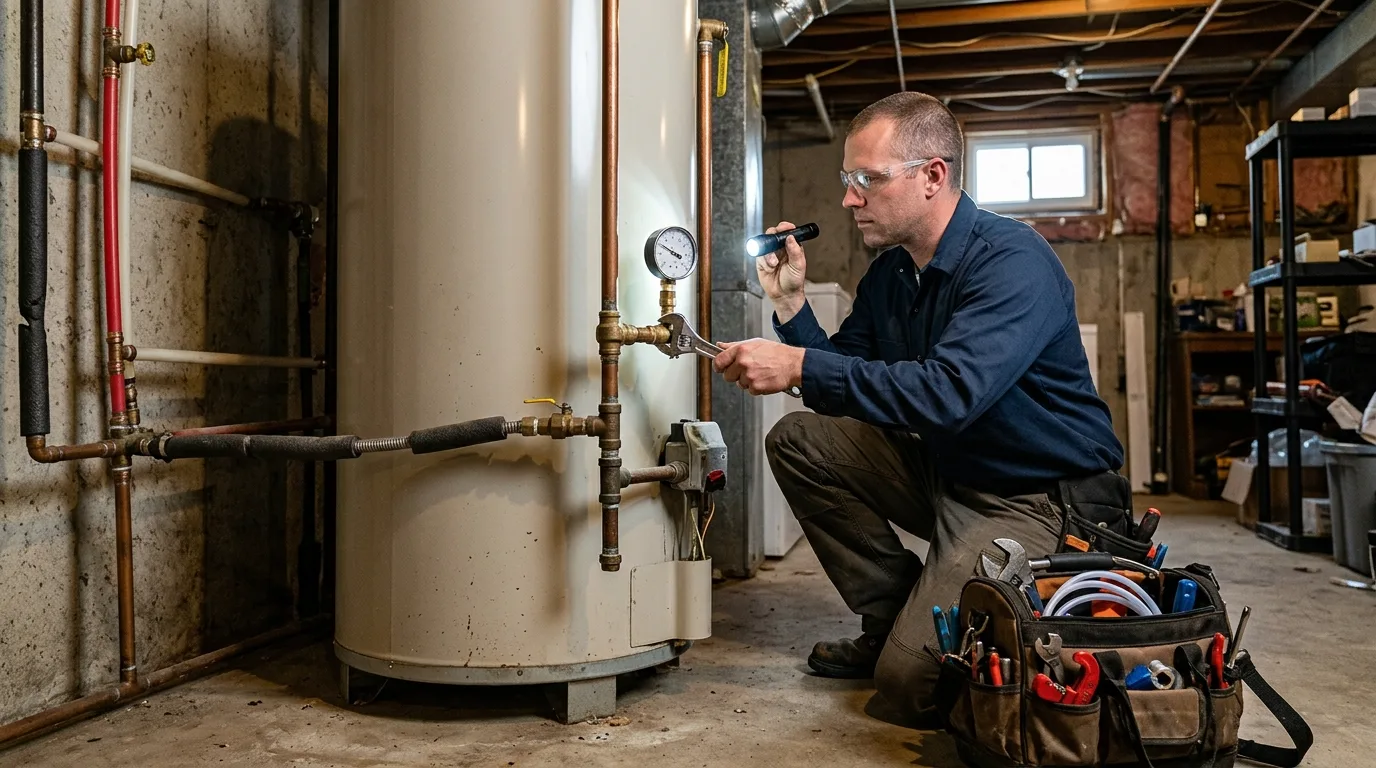
Water heaters often show signs of trouble before they stop working completely. You might notice temperature fluctuations, unusual rumbling sounds, rusty-looking hot water, or moisture around the base of the tank. Sediment buildup, worn components, and corrosion are among the possible causes, although the exact issue depends on the type and condition of the unit.
When repairs become frequent, it’s worth considering whether water heater replacement makes more sense than continuing to pay for individual fixes. The decision depends on the heater’s age, overall condition, repair history, energy use, and the cost of a suitable replacement.
Choosing a new unit takes more than comparing prices. Household size, the number of bathrooms, peak hot-water demand, fuel type, and available installation space all matter. A system that’s too small may struggle during busy mornings, while a larger model than necessary could increase the initial expense without providing much benefit.
A qualified installer can help assess these needs and explain the advantages of traditional storage-tank and tankless systems. They should also clarify installation costs, warranty terms, maintenance requirements, and any upgrades needed to meet local codes.
Water heaters can involve gas, electricity, high temperatures, and pressurized water. Leave repairs involving these components to an appropriately qualified professional rather than experimenting with a DIY fix.
Keeping Drains Clear Without Damaging Your Pipes
A slow drain is one of the most common household plumbing complaints. It often starts gradually: water takes a little longer to disappear from the kitchen sink, the shower tray begins collecting water, or an unpleasant smell returns a few days after cleaning.
Hair, soap residue, food particles, and grease can accumulate inside drainpipes. In kitchens, cooking oils are particularly troublesome because they can cool and harden farther down the plumbing system. Bathroom drains, meanwhile, often collect hair and product residue.
Regular drain cleaning can help remove buildup and restore proper flow. The right method depends on the location and severity of the blockage. A simple obstruction near a drain opening may respond to a suitable plunger or manual cleaning tool, while recurring clogs farther inside the system may require professional equipment.
Be cautious with chemical drain cleaners. Some products can damage certain pipe materials, and mixing cleaning chemicals can create dangerous reactions. If a drain remains blocked despite reasonable attempts to clear it, a plumber can investigate rather than relying on stronger chemicals or repeated temporary fixes.
Prevention is usually easier. Use drain strainers where appropriate, dispose of cooking grease in a container rather than the sink, and keep wipes and other unsuitable materials out of toilets. If several drains become slow at once, the issue may involve the main drainage line instead of an individual fixture.
When Replacing Old Pipes Becomes the Better Choice
Pipes don’t last forever. Their lifespan depends on the material, installation quality, water chemistry, maintenance history, and environmental conditions. Some homes still have older piping that has gradually developed corrosion, leaks, restricted flow, or recurring failures.
One isolated leak doesn’t automatically mean the whole plumbing system needs replacing. Sometimes, repairing a damaged connection or a short section of pipe is enough. However, when leaks keep appearing in different places, water pressure remains poor, or pipes show widespread deterioration, a larger solution may be worth discussing.
In these situations, re-piping involves replacing some or all of the existing water supply pipes with new piping. The scope depends on the home’s layout and the condition of the plumbing. A partial project may address a specific problem area, while a whole-house project replaces a more extensive network.
Re-piping can improve reliability and reduce the disruption caused by repeated leaks. Depending on the circumstances, it may also address problems associated with severely corroded or deteriorated supply pipes. However, it won’t automatically solve every water-quality issue or correct unrelated drainage problems.
Before committing to the work, ask a plumber to inspect the existing system and explain why replacement is recommended. Discuss suitable pipe materials, access to walls and ceilings, project duration, permits, and restoration costs. A detailed estimate should make clear which areas will be replaced and what work is included.
It’s also sensible to plan around household needs. Water may need to be shut off during portions of the project, so understanding the schedule in advance can make the process less stressful.
Simple Habits That Help Prevent Expensive Repairs
Good plumbing care often comes down to consistency rather than complicated maintenance routines. Keep an eye on visible pipes, check under sinks occasionally, and pay attention when fixtures begin behaving differently.
Learn where the main water shutoff valve is located. If a pipe bursts, being able to stop the water supply quickly can limit damage to floors, cabinets, and personal belongings. If water is near electrical equipment, stay clear and seek appropriate professional assistance.
Avoid treating toilets as rubbish bins, and don’t pour grease down kitchen drains. Follow the maintenance instructions for water heaters and other water-using appliances. If your home has older pipes, ask a qualified plumber whether a more detailed inspection would be worthwhile.
It’s equally important to act on recurring symptoms. A leak that returns after a repair, a drain that repeatedly blocks, or a water heater that keeps losing performance deserves a closer look. Temporary fixes may offer relief, but identifying the underlying cause is often the better long-term investment.
Choosing Professional Plumbing Help
When a repair is needed, clear communication can make a big difference. Look for a plumber with relevant experience, appropriate licensing where required, and a willingness to explain the problem without confusing technical language.
Ask for a written estimate that identifies the work, materials, labor, and any additional charges. For major upgrades, compare the proposed solutions rather than looking at the price alone. A cheaper quote may leave out important work or use materials that aren’t appropriate for the situation.
A reliable professional should explain which issues need immediate attention, which can be monitored, and what maintenance may help prevent future problems.
A Reliable Plumbing System Starts With Good Decisions
Plumbing problems can be frustrating, but they don’t always have to become major household disruptions. Paying attention to early warning signs, maintaining drains and fixtures, and making informed decisions about aging equipment can help keep a home’s water systems dependable.
Sometimes the right answer is a straightforward repair. Other times, replacing a failing water heater or upgrading deteriorated pipes offers better long-term value. The important thing is to understand the actual problem before choosing a solution.
With regular checks, sensible maintenance, and professional help when it’s needed, homeowners can reduce avoidable expenses and enjoy the everyday comfort of plumbing that simply does its job.