Category: Home service

  • A Practical Guide to Choosing the Right Water Treatment for Your Home

    A Practical Guide to Choosing the Right Water Treatment for Your Home

    There’s something wonderfully ordinary about turning on a kitchen tap and filling a glass without giving it a second thought. Water is just there. Until, suddenly, it isn’t quite right.

    Maybe there’s a strange taste in your morning coffee. Perhaps your shower screen keeps collecting cloudy mineral spots, or your kettle develops a crusty layer that seems to appear overnight. You might even notice your clothes don’t feel quite as soft after washing them.

    These little signs can make you wonder about what’s actually in your household water.

    The answer isn’t always to rush out and buy the most expensive filtration equipment you can find. Water quality varies, and so do household needs. A better approach is to understand the problem first, then choose a treatment method that makes sense for your home, budget, and daily routine.

    Start With the Water You Already Have

    Before comparing products, take a closer look at your water.

    Hard water is one of the most common household complaints. It’s caused mainly by dissolved calcium and magnesium, which can form scale on taps, showerheads, pipes, and appliances. You may also notice that soap doesn’t lather as easily or that freshly washed dishes have spots on them.

    Then there are other concerns, including sediment, chlorine taste, unpleasant odors, and particular contaminants.

    Not every filtration system is designed to handle every issue. That’s an important distinction, and one that’s easy to overlook when product descriptions start throwing around words like “advanced,” “premium,” and “complete.”

    If you’re unsure what’s causing the problem, water testing can give you a much clearer starting point.

    When Reverse Osmosis Makes Sense

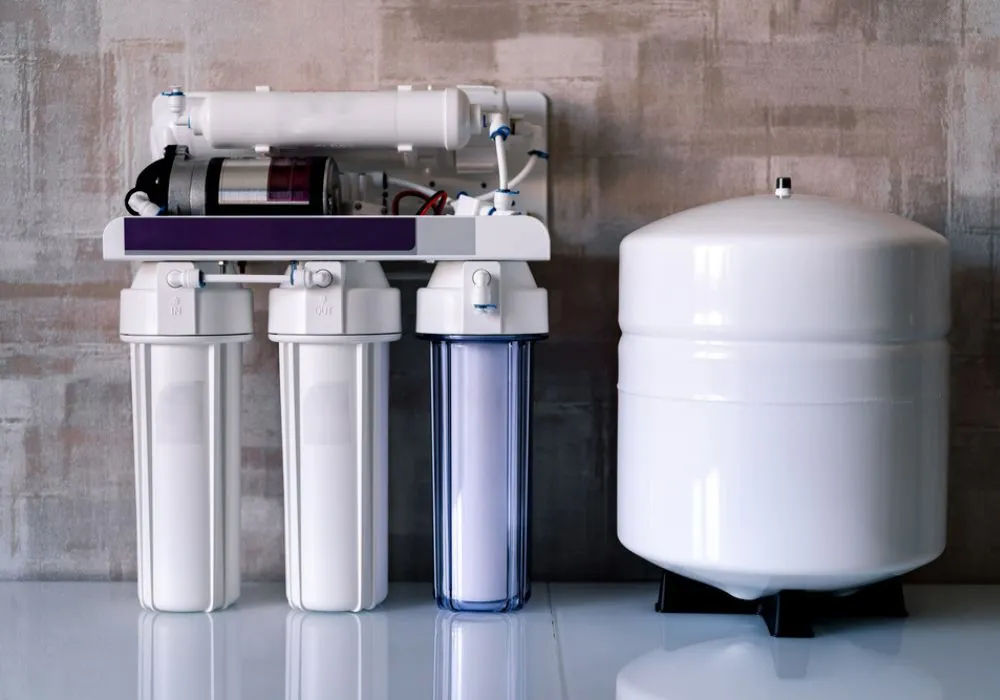
    For households looking for more comprehensive treatment of drinking water, reverse osmosis systems are often worth considering.

    Reverse osmosis uses pressure to push water through a semipermeable membrane. The membrane allows water to pass while reducing many dissolved substances and impurities. Many systems also use additional filtration stages, such as sediment and activated carbon filters, before or after the membrane.

    This type of system is commonly installed beneath a kitchen sink and is particularly useful when drinking and cooking water are the main priorities.

    There are trade-offs, naturally. Reverse osmosis systems require filter and membrane replacement, and the process can produce wastewater. Installation and ongoing maintenance should therefore be included in the overall cost rather than treated as an afterthought.

    Still, for the right water-quality concerns, it can be a very effective option.

    Hard Water Requires a Different Approach

    Here’s where things get a little confusing.

    A water filter and a water softener don’t necessarily do the same job. If mineral hardness is the main issue, a softener may be more appropriate than a standard filtration unit.

    Water softeners are designed primarily to reduce hardness minerals, helping limit scale formation throughout the plumbing system. That can make a noticeable difference to bathrooms, water heaters, washing machines, and other water-using appliances.

    Softened water can also make cleaning feel easier. Soap tends to lather more readily, and that stubborn ring around the bathtub may become less of a recurring battle.

    However, traditional softeners require maintenance, often including regular salt replenishment. They also need enough space for installation and servicing. So before buying one, consider not just the equipment price but how comfortably it fits into your household routine.

    Don’t Guess When You Can Test

    It’s tempting to diagnose water problems based on taste or appearance. Sometimes that’s useful, but it’s not enough to tell you everything.

    Water can look perfectly clear while still containing substances you wouldn’t want to ignore. Conversely, an unpleasant taste doesn’t necessarily mean the water is unsafe.

    That’s why free water testing can be a useful first step when it’s available from a reputable provider. It can help identify hardness levels and other characteristics that influence which treatment technology is appropriate.

    There is one small caveat: ask what the test actually measures. A basic screening test won’t necessarily provide a complete analysis of every possible contaminant. If you have a specific concern about water safety, an accredited laboratory test may be more appropriate.

    In other words, don’t let the word “free” do all the convincing. The details matter.

    Point-of-Use or Whole-Home Treatment?

    One of the simplest questions to ask is where you want better water.

    If you’re mainly concerned about drinking and cooking, a point-of-use system can be practical. It focuses treatment on the taps you actually use for consumption, rather than treating every drop that enters the house.

    Whole-home treatment makes more sense when the issue affects showers, laundry, appliances, or multiple fixtures.

    Neither approach is automatically superior. Treating the whole house can be more expensive and may require larger equipment. On the other hand, a small kitchen filter won’t address mineral buildup occurring throughout your plumbing.

    Think about what you actually use water for. It sounds basic, but it can save a lot of unnecessary spending.

    Pay Attention to Flow Rate

    Water filtration isn’t only about what’s removed. It’s also about how much water can pass through the system.

    A filter that’s too restrictive can reduce water pressure, particularly when several fixtures are operating at once. Imagine turning on the shower and getting a disappointing trickle. Not exactly the upgrade you had in mind.

    When comparing systems, look at the recommended flow rate and your home’s typical demand. Larger households may need equipment designed to handle significantly more water than a single-person apartment.

    Proper sizing is one of those boring details that becomes very important once the system is installed.

    Maintenance Is Part of the Purchase

    A filtration system needs care.

    Filters eventually become saturated. Membranes need replacing. Some equipment needs cleaning or periodic servicing. If maintenance is ignored, performance can gradually decline.

    Before committing to a system, find out how often replacement parts are required and what they cost. Check whether cartridges are easy to find locally or online. Look at the warranty, too.

    A system with a slightly higher purchase price but affordable replacement filters can sometimes be the better long-term investment.

    It’s much easier to stay on top of maintenance when it isn’t painfully expensive.

    Think Beyond the Price Tag

    The cheapest water treatment system isn’t necessarily the most economical.

    Consider installation, replacement filters, electricity or salt requirements where applicable, servicing, and expected lifespan. A system that costs less today but requires frequent replacement parts could cost considerably more over several years.

    It’s also worth asking whether you genuinely need every feature included. Some homeowners end up paying for capabilities their water simply doesn’t require.

    Good water treatment should solve a problem, not create a new one.

    The Right System Is the One That Fits

    Choosing water treatment doesn’t have to become a weekend-long research marathon. Start with the water itself. Identify the issue, test when appropriate, and decide whether your priority is drinking water, household plumbing, hard-water control, or something else.

    Then compare systems based on performance and long-term practicality — not just glossy promises.

    There’s no single solution that works perfectly for every home. And that’s actually good news. It means you can choose something tailored to your circumstances rather than forcing your household into a one-size-fits-all answer.

    In the end, successful water treatment is fairly unglamorous. You install the right system, maintain it properly, and then get on with your life. The water tastes better, the fixtures stay cleaner, and you spend a little less time wondering what’s coming out of the tap.

    Sometimes the best home improvement is the one you barely notice — except when you realize how much easier things have become.


  • Keeping Your Home Comfortable When the Weather Won’t Cooperate

    Keeping Your Home Comfortable When the Weather Won’t Cooperate

    There’s something strangely comforting about hearing your HVAC system quietly switch on during a brutally hot afternoon. You probably don’t give it much thought. The house stays cool, the air feels comfortable, and life carries on.

    Until it doesn’t.

    A sudden breakdown can turn an ordinary day into a sweaty, uncomfortable mess. In winter, the same problem can leave a home surprisingly cold in a matter of hours. And while some HVAC issues can wait for a convenient appointment, others need attention quickly.

    The good news is that homeowners can do quite a bit to keep their systems dependable. Understanding basic maintenance, recognizing warning signs and knowing when professional help is needed can make a real difference.

    Comfort Starts With a Healthy System

    Modern HVAC equipment is designed to make indoor temperatures easier to manage, but even the best system needs attention.

    Filters become dirty. Outdoor units collect leaves and debris. Electrical components age. Moving parts wear down. None of this is particularly dramatic, but these small issues can gradually reduce performance.

    Regular professional air conditioning services can help identify problems before they become major failures. A technician can inspect important components, evaluate airflow and check whether the equipment is operating as it should.

    That doesn’t mean every homeowner needs constant service visits. It means the system shouldn’t be forgotten until something breaks.

    Your Energy Bill Can Be a Warning Sign

    One of the easiest clues to overlook is a rising utility bill.

    Energy prices fluctuate, and weather obviously affects usage. But if your household habits haven’t changed and the HVAC system suddenly seems to be running much longer than normal, it’s worth paying attention.

    Poor airflow, dirty coils, aging components or an equipment problem can all contribute to increased energy consumption.

    You don’t need to diagnose the issue yourself. Simply noticing the change and mentioning it to a professional can provide a useful starting point.

    Sometimes the problem is minor. Sometimes the equipment is getting old. Either way, knowing is better than guessing.

    Listen for Unusual Sounds

    HVAC systems make noise. That’s normal.

    A fan starts. A compressor runs. Air moves through the ducts. You get used to the familiar sounds without even realizing it.

    That’s why a new noise can be meaningful.

    Grinding, squealing, rattling, banging or repeated clicking deserves attention, particularly if it appears alongside other changes such as poor cooling or inconsistent temperatures.

    Don’t immediately assume the worst. A strange sound doesn’t necessarily mean the entire system is failing.

    But don’t ignore it for months, either.

    Airflow Problems Are Often Overlooked

    A room that never seems to get comfortable may not have a bad air conditioner.

    The problem could involve airflow.

    Blocked vents, dirty filters, ductwork issues or an improperly balanced system can make certain rooms warmer or cooler than others. Closing too many vents can sometimes make matters worse rather than better.

    Start with the simple things. Make sure supply and return vents aren’t blocked by furniture, curtains or boxes. Check the filter according to the equipment manufacturer’s recommendations.

    If the problem continues, have the system evaluated.

    Emergency Problems Require a Different Approach

    Not every HVAC issue is an emergency.

    A slightly noisy fan may be something you can schedule for later. A complete loss of heating during dangerously cold weather is another matter.

    That’s where 24 hour emergency services can provide an important safety net.

    Round-the-clock availability can be particularly valuable when a system fails outside normal business hours. Instead of waiting until morning while the situation gets worse, homeowners have a way to seek professional assistance.

    Even then, safety comes first. If you notice smoke, burning smells, exposed electrical wiring or another potentially dangerous condition, avoid experimenting with the equipment and contact appropriate emergency help.

    Don’t Let a Small Leak Become a Big Problem

    Water around an indoor HVAC unit should never be treated as normal.

    Condensation is part of air-conditioning operation, but it should be properly drained. A clogged drain line or other issue can cause water to accumulate where it shouldn’t.

    Even a small leak can damage flooring, drywall or nearby materials if it continues unnoticed.

    If you see water where it doesn’t belong, investigate promptly. The longer it sits, the more opportunity there is for property damage.

    Maintenance Is About Prevention

    Routine maintenance doesn’t sound exciting.

    Nobody wakes up thinking, “I can’t wait to have my HVAC system inspected today.”

    Still, preventive care can be one of the smartest things a homeowner does for the equipment.

    A professional inspection can identify worn components, restricted airflow, electrical concerns and other developing issues. It also gives homeowners a clearer picture of the system’s condition.

    Maintenance won’t make an aging unit last forever. But it may help reduce avoidable breakdowns and improve the chances of catching problems while they’re still manageable.

    Replacement Isn’t Always Necessary

    When an HVAC system develops a problem, replacement can seem like the obvious answer.

    It isn’t always.

    If the equipment is relatively young and has a good maintenance history, repairing it may be the more sensible choice. On the other hand, an older system that requires frequent repairs and consumes more energy may no longer be economical.

    Consider the age of the equipment, repair history, efficiency and expected remaining lifespan.

    A trustworthy technician should be willing to discuss both repair and replacement options rather than pushing you toward whichever produces the larger invoice.

    Good Service Starts With Good Communication

    Technical expertise matters, but communication matters too.

    When a technician explains a problem, you should be able to understand what failed, why it matters and what options are available.

    You shouldn’t need an engineering degree to make a decision about your own HVAC system.

    Ask questions. What caused the problem? Is the repair temporary or long-term? Are there other components that should be inspected? What kind of maintenance will help prevent the same issue from happening again?

    A professional shouldn’t be annoyed by reasonable questions.

    Prepare Before You Have a Breakdown

    One of the easiest ways to make an HVAC emergency more stressful is to start looking for help after the system has already failed.

    Instead, keep a reliable service company’s contact information somewhere easy to find.

    Know your equipment’s make and model if possible. Keep records of previous repairs and maintenance. If the system is under warranty, keep those documents accessible too.

    And if your home has an older HVAC system, start thinking about replacement before it becomes an emergency decision.

    Planning gives you choices. Emergencies tend to take them away.

    When to Call a Professional

    There are a few situations where professional attention is clearly the right move.

    If the system repeatedly trips breakers, produces burning smells, leaks water, stops heating or cooling, or makes unusually loud mechanical noises, don’t rely on guesswork.

    Likewise, if you’ve changed the filter and checked obvious airflow problems but the system still isn’t performing properly, it’s time to have someone qualified take a look.

    Attempting a complex repair without the right tools or knowledge can damage the equipment or create a safety hazard.

    Taking Action Can Save Trouble Later

    HVAC equipment isn’t something most people want to think about every day. And honestly, that’s fine.

    You don’t need to become an HVAC expert.

    You simply need to notice changes, keep up with reasonable maintenance and know when a problem deserves professional attention.

    If something feels wrong, don’t keep putting it off because the system is “still working.” Equipment can continue operating while becoming increasingly inefficient or damaging itself internally.

    When you need help, request service now rather than waiting for a small concern to become a full-blown breakdown.

    A comfortable home depends on more than a thermostat setting. It depends on equipment that’s properly installed, appropriately maintained and professionally serviced when problems appear.

    Pay attention to the little signs. Take care of the system you have. And when the weather decides to test your patience, you’ll be much better prepared for it.

  • Choosing the Right Water Treatment Team for Long-Term Water Quality

    Choosing the Right Water Treatment Team for Long-Term Water Quality

    Clean water is something most people expect without giving it much thought. We turn on the tap, fill a glass, wash vegetables, or run the shower, assuming the water is safe and suitable for everyday use. But when unpleasant odors, stains, unusual tastes, or mineral buildup begin appearing, that assumption can quickly change.

    Water quality problems are not always obvious, either. Some issues may be visible, such as orange marks around sinks or cloudy water in a glass. Others involve contaminants that cannot be detected through sight, smell, or taste. That’s why choosing the right water treatment provider is about more than purchasing equipment. It’s about understanding what is actually present in your water and finding a practical solution that works for your home or business.

    A reliable provider should offer more than a quick product recommendation. They should take time to understand your concerns, assess your water, explain available options, and help you make an informed decision without unnecessary pressure.

    Understanding What Your Water Really Needs

    Every water supply is different. Municipal water, private wells, and other sources can carry different challenges depending on the local environment, infrastructure, and treatment processes already in place.

    For example, hard water may leave white deposits on faucets, reduce soap lather, and cause mineral buildup inside plumbing fixtures. Water containing iron or manganese can create metallic tastes and stubborn stains. Some households may be concerned about chlorine, sediment, unpleasant odors, or specific contaminants that require specialized filtration.

    This is where professional water treatment becomes valuable. Rather than relying on guesswork, a qualified company can evaluate the water and recommend equipment based on actual conditions. Depending on the results, the solution might involve a water softener, whole-house filtration system, reverse osmosis unit, ultraviolet purification, or a combination of technologies.

    The right system should address the underlying problem instead of simply masking its symptoms.

    Why Water Testing Should Come First

    One of the most important steps in improving water quality is testing. It may be tempting to choose a system because a neighbor has one or because a particular product is heavily advertised. However, what works well for one property may not be appropriate for another.

    A proper water test can help identify hardness levels, pH balance, dissolved minerals, sediment, bacteria, and other concerns. The exact testing process depends on the water source and the issues being investigated. For private wells, testing is especially important because water conditions can change over time due to weather, nearby land use, plumbing problems, or changes in the groundwater supply.

    A trustworthy provider should explain what the test measures and what the results mean. You shouldn’t need a science degree to understand whether your water needs filtration, softening, disinfection, or further investigation.

    Testing also helps prevent overspending. Installing equipment that your water does not need can create unnecessary maintenance costs and may not improve the quality of the water in any meaningful way.

    The Value of Experienced Installation

    Even high-quality equipment can perform poorly if it is installed incorrectly. Water treatment systems often need to be connected to existing plumbing, drainage, electrical components, or dedicated fixtures. Incorrect installation can lead to leaks, poor flow, ineffective filtration, or premature equipment failure.

    That’s why homeowners should look for highly trained professionals who understand both the equipment and the plumbing environment in which it will operate. Proper installation involves more than attaching pipes and turning a valve. The technician should check water pressure, confirm correct flow direction, position components safely, and make sure the system is configured according to the manufacturer’s requirements.

    A good installation also considers everyday convenience. The equipment should be accessible for filter changes, servicing, and inspections. It should fit appropriately within the available space without making routine maintenance difficult.

    When installation is handled carefully from the beginning, the system is more likely to work consistently and provide the expected benefits.

    Looking Beyond the Initial Purchase

    Water treatment is not a one-time decision. Most systems require some level of ongoing attention, whether that means replacing filters, replenishing salt, cleaning components, checking settings, or scheduling periodic service.

    Before choosing a provider, ask what maintenance the system requires and how often it should be completed. Find out whether replacement filters and parts are readily available. It’s also worth asking whether the company offers service plans or reminders, especially if you have a busy household and don’t want maintenance to slip through the cracks.

    A company that disappears after installation can leave you struggling when something goes wrong. In contrast, a provider that offers continued support can help extend the life of the equipment and keep water quality more consistent.

    Maintenance is also important for hygiene and performance. A neglected filter may become less effective, while poorly maintained components can affect water flow or create additional problems. Regular service helps ensure that the system continues doing the job it was designed to do.

    Experience Matters, But So Does Transparency

    A company’s years of experience can provide useful reassurance, particularly when dealing with complicated water quality concerns. Experience often means the provider has encountered a wide range of water conditions and understands how different systems perform in real homes and businesses.

    Still, experience alone should not be the only deciding factor. Pay attention to how the company communicates. Do they explain the problem clearly? Are they willing to discuss alternatives? Do they provide written estimates? Are equipment warranties and service terms easy to understand?

    Be cautious if a provider insists that every customer needs the same expensive system or uses fear to push an immediate purchase. Water quality deserves attention, but good advice should be based on evidence rather than pressure.

    Transparent companies are usually more comfortable explaining both the advantages and limitations of their recommendations. They should be able to tell you what a system can remove, what it cannot remove, and whether additional testing or treatment may be necessary.

    Choosing a System That Fits Your Lifestyle

    The best water treatment solution is not always the most advanced or expensive option. It is the one that suits your water conditions, household size, budget, space, and daily habits.

    A family dealing mainly with hard water may benefit from a water softener, while a household concerned about drinking-water taste may consider a reverse osmosis system at the kitchen sink. A property with sediment issues might need whole-house filtration, while certain microbial concerns may require ultraviolet treatment or another approved disinfection method.

    Think about how much water your household uses, whether you want protection throughout the home, and how much maintenance you are comfortable handling. Ask the provider to explain operating costs, expected filter life, water waste, salt use, and replacement expenses.

    These details matter because the initial purchase price is only one part of the total cost of ownership.

    Making a Thoughtful Long-Term Decision

    Improving water quality can make everyday life more comfortable. It may help reduce scale on fixtures, protect plumbing appliances, improve taste and odor, and provide greater confidence in the water used for drinking, cooking, bathing, and cleaning.

    But the process should begin with accurate information and realistic expectations. Choose a provider that tests before recommending, explains before selling, installs carefully, and remains available after the work is complete.

    Good water treatment is not about buying the biggest system or following the latest trend. It is about finding a dependable answer to a specific water problem. With the right guidance and regular care, a properly selected system can become a quiet, useful part of your property—doing its job every day without demanding much attention.

  • Planning a Move to Portsmouth or Manchester? Here’s What Actually Matters

    Planning a Move to Portsmouth or Manchester? Here’s What Actually Matters

    A moving quote is really a bet on how the day will go. Two firms can look at the same three-bedroom house and land on very different numbers, and the gap usually comes down to things you wouldn’t think to mention on the phone: whether the road allows a lorry to park outside, how many flights of stairs there are, whether the destination has its own set of building rules.

    Portsmouth and Manchester sit at opposite ends of the country and present opposite kinds of challenges. One is a dense island city shaped by naval history and terraced streets; the other is a sprawling, fast-growing urban centre with a booming apartment market. Knowing which problems apply to your move helps you get a quote that actually holds up on the day.

    Portsmouth: An Island City With Its Own Logistics

    Portsmouth is unusual among UK cities in that most of it sits on Portsea Island, connected to the mainland by a handful of routes. That geography shapes moving day more than people expect.

    Traffic bottlenecks. The M275, the A3, and the routes onto and off the island can back up badly at peak times. A removals firm familiar with the city will plan around this rather than getting caught in it, which matters if you’re also trying to hit a completion deadline.

    Terraced housing density. Areas like Southsea, Fratton, and Landport are dominated by close-set Victorian terraces, often with no off-street parking and narrow pavements. A van may need to stop some distance away, and that long carry is one of the most common causes of quotes changing on the day.

    Student and rental turnover. Portsmouth has a large university population, and areas near the campus see heavy moving traffic around the start and end of the academic year. If you’re moving in July, August, or September, book earlier than you think you need to — good crews get booked out fast in those windows.

    Naval base access restrictions. If your move involves proximity to Portsmouth Naval Base or any MOD land, check well ahead whether there are access restrictions that could affect a removal vehicle’s route.

    Anyone requesting quotes for Removals Portsmouth UK should specifically ask how the firm handles restricted parking on terraced streets, since that single factor affects pricing more than almost anything else in the city.

    Manchester: Scale, Apartments, and Building Rules

    Manchester’s moving challenges look completely different. The city has expanded rapidly, and a huge share of its housing stock is now high-rise apartments in and around the city centre, alongside traditional terraced housing in surrounding suburbs like Chorlton, Didsbury, and Salford.

    High-Rise Living Changes the Rules

    If you’re moving into or out of a modern apartment block in Deansgate, Ancoats, or the Northern Quarter, the building itself often dictates how the move happens:

    • Lift booking is frequently required in advance, sometimes with a time-limited slot
    • Some buildings only permit moves during set hours, often weekdays
    • Concierge or management may require proof of insurance from your removals company before allowing access
    • Loading bays are often shared between multiple residents, so timing slips can cascade

    None of this is something you want to discover on moving morning. Contact the building management as soon as you have a date and ask for their move-in and move-out procedure in writing.

    Terraced Suburbs Bring Familiar Problems

    Move a few miles out and the picture shifts to classic Northern terraced streets — narrow, often permit-controlled, with limited turning space for larger vehicles. Firms offering established Manchester Removal Services will usually know these streets well enough to send the right size of vehicle, or to plan a shuttle run with a smaller van where a large lorry simply won’t fit.

    Distance and Regional Moves

    Manchester’s position as a transport hub means a fair number of moves involve travel to or from other parts of the North West, Yorkshire, or further afield. If your move spans a significant distance, ask specifically how the company charges for mileage and whether there’s a second crew member cost for longer jobs — this varies more than people expect between firms.

    What Separates a Reliable Firm From a Risky One

    Regardless of city, a few signals consistently indicate a company worth hiring.

    A proper survey before quoting. In person or over video, this is the clearest sign a firm intends to give you an accurate price rather than a placeholder they’ll revise later.

    Clear, itemised pricing. You want to see labour, vehicle size, packing materials, and any surcharges for stairs, long carries, or waiting time listed separately, not folded into one number.

    Trade body membership. Firms belonging to an organisation such as the British Association of Removers operate under an agreed code of practice and sit within a formal complaints process if something goes wrong.

    Confirmed insurance details. Ask about goods-in-transit cover, public liability cover, and the per-item limit. Items you pack yourself are often covered differently, or not at all, so check this before deciding to self-pack anything valuable.

    Waste carrier registration. If you want old furniture or packaging removed and disposed of, the firm needs to be a licensed waste carrier to do that legally.

    Common Mistakes Worth Avoiding

    1. Booking too close to the date. Weekends, month-ends, and — in Portsmouth especially — the student turnover season fill up fast.
    2. Not mentioning lofts, garages, or storage units. These get missed during phone quotes and then blow up the volume estimate on the day.
    3. Ignoring building or council paperwork. Whether it’s a bay suspension for a terraced street or a lift booking for an apartment block, this needs sorting well ahead of moving day.
    4. Packing valuables loosely. Glassware, electronics, and artwork need proper protection, not just a spare box.
    5. Forgetting an essentials bag. Chargers, medication, toiletries, a kettle, and a change of clothes should travel with you, not in the van.

    Getting the Best Value Without Cutting Corners

    Flexibility on dates helps more than almost anything else — midweek and mid-month moves are consistently cheaper than Friday or end-of-month slots. Declutter honestly before your survey, since quotes are built around volume. Pack your own books, clothes, and non-fragile items if you’re comfortable doing so, and leave anything breakable to the professionals. Get at least three quotes based on identical scope so you’re comparing real numbers rather than assumptions.

    Frequently Asked Questions

    How much notice do I need to book a removals company?

    Four to six weeks is generally safe for a standard house move. In Portsmouth, avoid booking too close to late summer if possible, since student moves put heavy pressure on availability. In Manchester, apartment lift bookings can also need lead time from the building itself.

    Do apartment buildings in Manchester have specific moving rules?

    Many do. Expect requirements around lift booking, permitted moving hours, and proof of insurance for your removals company. Contact the building’s management team as soon as your date is confirmed.

    What’s the biggest cost driver in a Portsmouth move?

    Access and parking on terraced streets. A van that can’t stop close to the property means a longer carry, which adds time and often appears as a surcharge if it wasn’t accounted for at quote stage.

    Is my furniture insured during the move?

    Most removals companies carry goods-in-transit insurance, but cover often has a per-item limit and may exclude anything you packed yourself. Ask for the policy details in writing and flag anything particularly valuable before booking.

    Can a large removal lorry access narrow terraced streets?

    Not always. In dense parts of both cities, firms often use a smaller shuttle vehicle to move belongings from the property to a larger lorry parked further away. This adds time, so it should be reflected in your quote rather than appearing as a surprise charge.

    Is it worth hiring professionals for a short-distance move?

    Usually yes, particularly with stairs, heavy furniture, or awkward access. The cost difference against a DIY van hire often narrows once you factor in fuel, time, hired equipment, and the risk of damage or injury without proper equipment and experience.