Water is one of those things we rarely think about until something starts going wrong. A strange smell from the tap, reddish stains around sinks, soap that refuses to lather properly, or cloudy water in a glass can quickly turn an ordinary day into a frustrating one. For homeowners who depend on private wells, water quality can change for several reasons, and these changes don’t always happen overnight. Understanding what is in your water and how to address it can make a real difference to everyday comfort, plumbing performance, and long-term peace of mind.
Recognizing Common Well Water Problems
Well water comes directly from underground sources, which means its quality depends heavily on the surrounding soil, rocks, groundwater movement, and nearby environmental conditions. Some wells produce excellent water for years, while others develop problems after heavy rainfall, seasonal changes, construction, or shifts in the groundwater supply.
Iron and sulfur are two minerals that often create noticeable problems. Iron can leave orange, brown, or reddish stains on sinks, toilets, laundry, and bathroom fixtures. Sulfur, on the other hand, is commonly associated with a rotten-egg smell that makes drinking water and showering unpleasant. These issues may seem minor initially, but over time they can affect household routines and even damage plumbing fixtures.
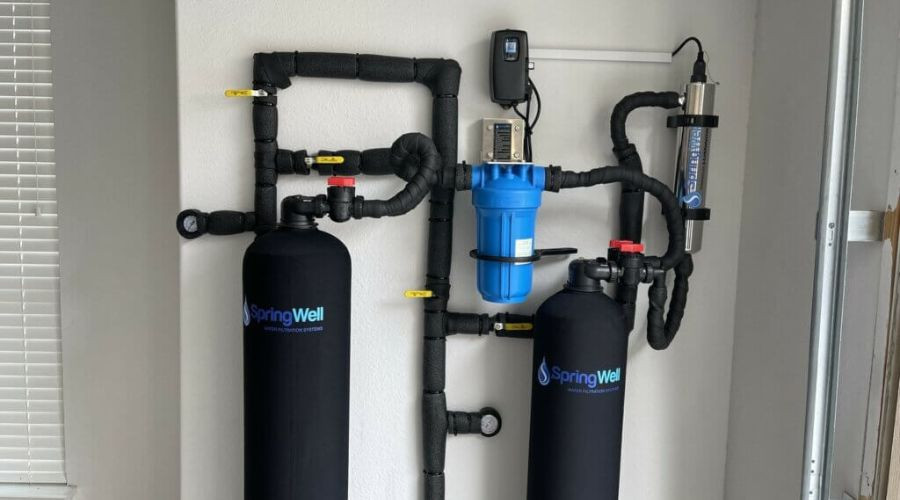
In such situations, installing iron & sulfur filters may help address the underlying water quality concerns. The right filtration technology depends on the concentration of contaminants, water chemistry, and the type of well being used. A system designed for one household may not work equally well for another, so testing is always a sensible first step.
Why Water Testing Should Never Be Overlooked
It’s easy to judge water quality by appearance or taste, but unfortunately, that’s not always enough. Water can look perfectly clear and still contain bacteria, nitrates, or other contaminants that aren’t visible to the naked eye. This is especially important for private well owners, who don’t typically receive the same routine water monitoring provided by municipal systems.
Regular testing helps homeowners understand what’s actually happening beneath the surface. Depending on the location and potential risks, testing may include hardness, pH, iron, sulfur, manganese, nitrates, bacteria, and other substances. If a property has experienced flooding, nearby agricultural activity, or changes in water taste and odor, an additional test may be worthwhile.
Having accurate results also makes it easier to avoid spending money on unnecessary equipment. Rather than purchasing a filter simply because a neighbor uses it, homeowners can choose a solution based on their own water conditions.
Improving Everyday Water Quality Throughout the House
Water quality affects more than just drinking. It plays a role in bathing, cooking, cleaning, washing clothes, and maintaining household appliances. Hard water, for example, can leave mineral deposits on faucets, reduce the efficiency of water heaters, and make detergents less effective. Sediment may clog aerators or create problems for certain plumbing components.
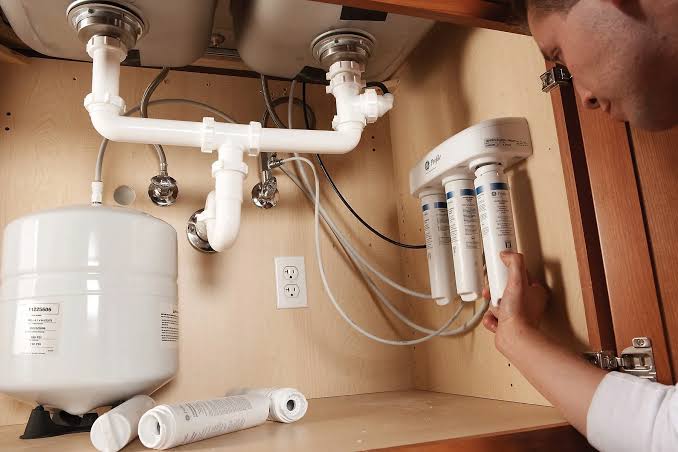
This is where well water filtration and conditioning becomes an important consideration. Filtration systems can target unwanted particles, odors, and specific contaminants, while conditioning equipment may help manage hardness or other water characteristics. Some homes benefit from a combination of treatment technologies rather than a single filter.
The goal isn’t necessarily to install the biggest or most expensive system available. It’s about finding a practical solution that fits the household’s water usage, plumbing setup, budget, and actual water quality concerns. A thoughtfully designed system can make everyday tasks easier without creating unnecessary maintenance.
Protecting Your Plumbing and Household Investment
Poor water quality can quietly create expenses over time. Mineral buildup may shorten the lifespan of water heaters, while iron deposits can discolor fixtures and clog pipes. Certain water conditions may also contribute to corrosion, which is particularly concerning in older plumbing systems.
Homeowners should pay attention to recurring stains, unusual odors, fluctuating water pressure, and changes in taste. These symptoms don’t always point to the same issue, but they’re useful clues. Addressing the cause early may prevent more expensive repairs later.
Professional assessment can be helpful when water problems are persistent or when multiple contaminants are present. Experienced specialists can review test results, evaluate equipment requirements, and recommend a treatment setup that works with the home’s existing plumbing rather than relying on guesswork.
Choosing a Treatment Approach That Makes Sense
Every well is different, and that’s worth remembering when comparing water treatment products. Some households may need sediment filtration, while others require iron removal, sulfur treatment, disinfection, water softening, or a combination of these technologies.
A reliable treatment plan should consider the source of the problem, the amount of water used daily, the number of people living in the house, and the system’s ongoing maintenance requirements. Filters need replacement, equipment needs occasional servicing, and certain treatment methods require monitoring to remain effective.
Taking time to understand these details can prevent disappointment later. Homeowners who protect your home with expert well water treatment often benefit from solutions that are properly sized, professionally installed, and supported with regular maintenance. It’s not simply about making water look better; it’s about creating a dependable supply that works for the household throughout the year.
A Better Water Experience Starts With the Right Decisions
Clean water contributes to a healthier, more comfortable home in ways that are easy to appreciate once the problems disappear. Fresh-smelling showers, cleaner fixtures, better laundry results, and confidence in the water used every day can all improve the overall living experience.
For private well owners, staying proactive is the key. Testing water regularly, noticing changes, and selecting treatment equipment based on real results can help avoid unnecessary expenses and frustration. There may not be one perfect solution for every well, but there is usually a practical way to address its specific challenges.
Ultimately, water treatment is an investment in the home and the people who live in it. With the right information, a little planning, and appropriate professional guidance when needed, homeowners can enjoy water that feels cleaner, works better, and brings greater peace of mind every single day.