Have you ever wondered why your kitchen drinking water tastes perfectly fine, yet your bathroom faucet still collects tiny particles or your shower has an unpleasant smell? Installing a filter at one faucet certainly has its advantages, but it doesn’t necessarily address water quality concerns elsewhere in your home.
For Knoxville homeowners, water treatment at the point of entry offers a more comprehensive approach by treating incoming water before it travels through the property’s plumbing system.
It’s a practical solution for households experiencing problems across multiple rooms. However, choosing the right equipment requires understanding your water source, identifying specific concerns, and considering how your family uses water throughout an ordinary day.
Understanding Where Household Water Problems Begin
Water travels quite a distance before reaching your tap. Its characteristics can be influenced by the original water source, municipal treatment processes, distribution infrastructure, and even the condition of your home’s plumbing.
Suspended particles, noticeable chlorine odors, and dissolved minerals can all affect different aspects of water quality.
The challenge is figuring out which concerns actually require treatment. After all, there’s little sense in purchasing expensive equipment for a problem your household doesn’t have.
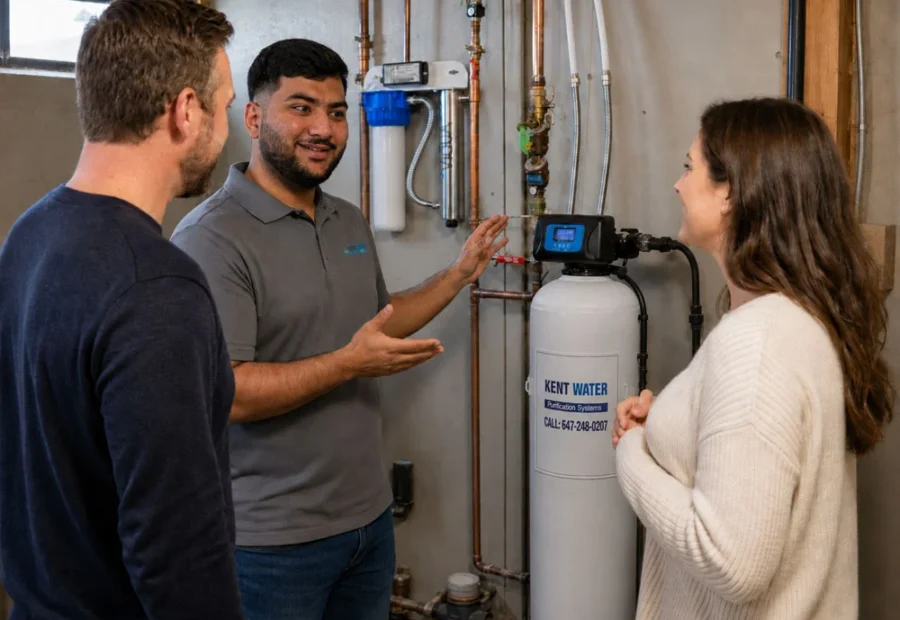
A reliable water treatment specialist will usually review your water quality, consumption patterns, and plumbing arrangements before they recommend the right filtration system for your property.
This personalized approach helps homeowners avoid unnecessary purchases while addressing the issues that genuinely affect their daily routines.
How Whole-House Filtration Works Behind the Scenes
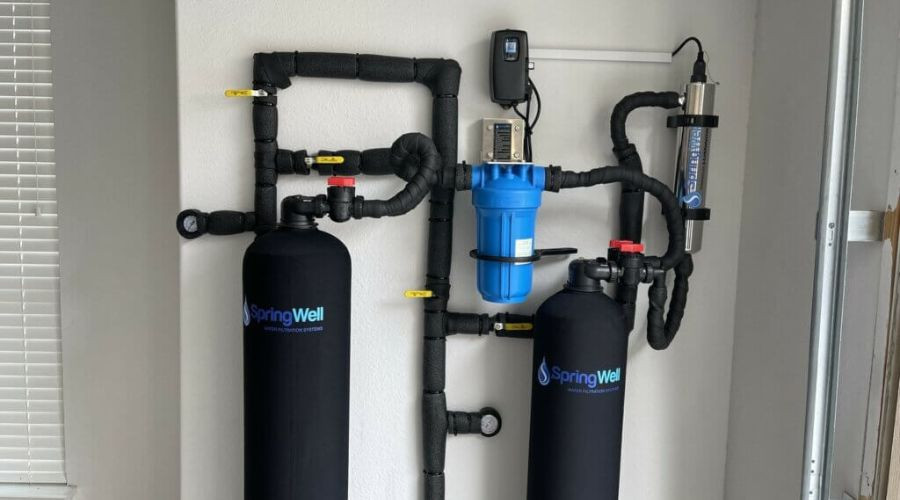
Centralized filtration equipment is typically connected to the main water supply line, allowing incoming water to pass through treatment components before reaching designated household outlets.
Depending on their design, whole-home water filter systems may incorporate sediment cartridges, activated carbon media, or specialized filtration technologies that address particular substances.
Sediment filters capture suspended particles such as sand, silt, and rust. Activated carbon works differently, helping reduce chlorine taste and odor and certain other substances through adsorption.
Some households benefit from combining these filtration methods, particularly when several water quality concerns exist simultaneously.
The goal isn’t necessarily to install as many filtration stages as possible. It’s to create a balanced system that performs the specific treatment your property requires.
Why Treating Water Throughout the Home Can Be Convenient
Think about the number of water outlets you use regularly. There’s the kitchen sink, bathroom faucets, showers, washing machine, and dishwasher.
Installing individual filters at multiple locations can become expensive and difficult to maintain.
Centralized treatment brings much of that responsibility together in one location. Rather than remembering several replacement schedules, homeowners can concentrate on maintaining their primary equipment.
Depending on the system, treated water can also help reduce particulate accumulation inside faucet aerators and certain appliance components.
For busy families, these practical advantages can make household maintenance considerably more manageable.
It’s one of those improvements that may not receive much attention once installed, simply because it becomes part of everyday living.
Knowing When Additional Water Treatment Is Necessary
Whole-house filtration can be extremely useful, but it has limitations.
If you’ve noticed stubborn white deposits around faucets or inside your kettle, dissolved calcium and magnesium may be contributing to hardness. Ordinary sediment and carbon filters aren’t designed to remove these minerals effectively.
A conventional water softener may be appropriate in such circumstances.
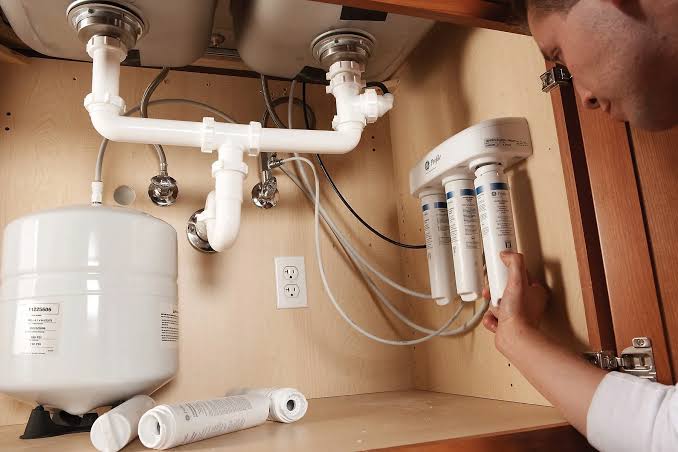
Similarly, households concerned about specific dissolved contaminants in drinking water might benefit from a dedicated reverse osmosis system.
Private well owners may require specialized treatment or disinfection depending on laboratory testing results.
Understanding these distinctions helps prevent unrealistic expectations. Filtration, softening, and disinfection are different technologies, even though they all contribute to improving particular aspects of water quality.
Choosing Equipment That Keeps Up With Your Household
Imagine someone taking a shower while the dishwasher runs and another family member starts a load of laundry. That’s an entirely normal situation in many homes, but it can place considerable demand on filtration equipment.
Proper system sizing helps maintain adequate water flow during these busy periods.
Consider the number of household occupants, simultaneous water usage, plumbing dimensions, and incoming water pressure.
Installation space matters as well. Equipment should remain accessible for filter replacements, inspections, and occasional servicing.
Ask about bypass valves and whether outdoor faucets need to receive filtered water.
These seemingly ordinary decisions can influence both system performance and long-term operating expenses.
A good filtration setup should fit your household routine rather than forcing you to change it.
Don’t Forget About Life After Installation
Water treatment equipment requires regular maintenance to continue performing effectively.
Sediment cartridges gradually collect particles, while activated carbon media eventually reach their treatment capacity.
Replacement intervals depend on water quality, consumption, equipment design, and manufacturer recommendations.
Before purchasing a system, investigate replacement filter costs and availability. Nobody wants to discover that routine maintenance is unexpectedly expensive.
Pay attention to declining water pressure or changes in taste and odor, as these may indicate that servicing is necessary.
Keeping a simple maintenance calendar can also help you stay organized.
A little consistent attention is generally easier than dealing with avoidable equipment problems later.
Making Better Water a Lasting Household Improvement
For Knoxville homeowners, improving water quality begins with understanding what comes through the main supply line and choosing treatment that makes practical sense.
Reliable testing, appropriate equipment selection, and regular maintenance all contribute to dependable results.
Over time, the benefits may become noticeable through fewer suspended particles, reduced unpleasant odors, and greater convenience throughout the home.
Water quality shouldn’t be something you constantly worry about. A thoughtfully designed filtration system can work quietly in the background while you get on with everyday life.
And considering how much we depend on water, from the first morning shower to the last glass before bed, improving its quality is certainly an investment worth considering.