
For many people, knee pain does not arrive suddenly—it grows slowly. First, it appears after long walks. Then, climbing stairs becomes difficult. Over time, even standing for a few minutes can feel exhausting. When such discomfort begins to control daily life, advanced medical solutions become necessary.
Today, robotic-assisted knee procedures are creating new hope for patients who once believed surgery meant long recovery, high pain, and uncertain results.
What Makes Robotic Knee Treatment So Advanced?
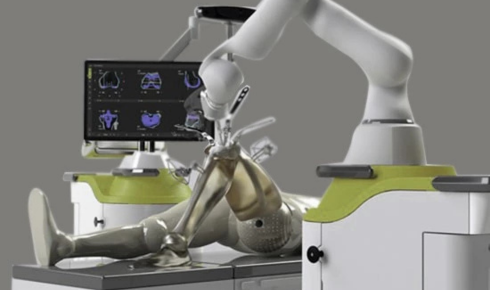
Traditional knee surgery depends completely on the surgeon’s visual judgment and manual control. Robotic systems enhance this process by adding computer-guided precision. Before surgery, the patient’s knee is digitally scanned, allowing doctors to design a personalized surgical plan.
This technology helps ensure:
- Exact joint alignment
- Controlled bone shaping
- Balanced ligament tension
- Customized implant fitting
As a result, smart robotic knee surgery delivers more natural movement and improved joint stability after healing.
Real Benefits Patients Experience
Patients who undergo robotic knee treatment often notice several advantages compared to traditional surgery:
- Higher surgical accuracy for precise joint alignment
- Reduced damage to surrounding muscles
- Lower post-surgery pain levels
- Shorter hospital stays
- Faster return to work and daily routines
- Stronger and more stable movement
Because of these advantages, next-generation robotic knee replacement is rapidly gaining popularity worldwide.
Who May Need This Type of Surgery?
Robotic assistance is commonly advised for patients dealing with:
- Long-term osteoarthritis
- Autoimmune joint disease
- Progressive knee deformities
- Old ligament or cartilage injuries
- Constant swelling and stiffness
- Poor relief from medicines and physiotherapy
Medical imaging and joint assessment help specialists confirm whether robotic treatment will provide the best long-term outcome.
Recovery After Robotic Knee Surgery
Because the surgery is more precise and less invasive, the recovery phase is often smoother:
- Standing and gentle walking often begin within 24 hours.
- Structured physiotherapy starts early.
- Swelling reduces faster than traditional methods.
- Confidence in walking improves steadily.
- Daily activities return within a few weeks.
With consistent rehabilitation, patients regain comfort, flexibility, and independent mobility.
Long-Term Confidence with Robotic Technology
The true success of robotic knee treatment lies in its long-term durability. Proper alignment prevents early implant wear, reduces imbalance, and minimizes the chance of revision surgery. Many patients enjoy long-lasting pain relief and stable movement for years after treatment.
Conclusion
Advanced robotic technology has shifted knee replacement from a high-impact surgery to a precise, controlled orthopedic solution. For individuals searching for Computer-Guided Robotic Knee Replacement in Bangalore, DHEE Hospitals delivers cutting-edge robotic systems, expert surgical planning, and complete rehabilitation support—helping patients move confidently toward a pain-free future.