Category: medical

  • From Pain to Precision: The Rise of Robotic Knee Treatment

    From Pain to Precision: The Rise of Robotic Knee Treatment

    For many people, knee pain does not arrive suddenly—it grows slowly. First, it appears after long walks. Then, climbing stairs becomes difficult. Over time, even standing for a few minutes can feel exhausting. When such discomfort begins to control daily life, advanced medical solutions become necessary.

    Today, robotic-assisted knee procedures are creating new hope for patients who once believed surgery meant long recovery, high pain, and uncertain results.

    What Makes Robotic Knee Treatment So Advanced?

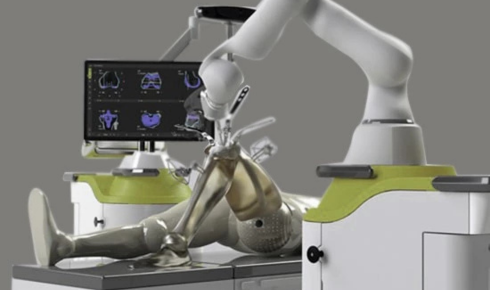
    Traditional knee surgery depends completely on the surgeon’s visual judgment and manual control. Robotic systems enhance this process by adding computer-guided precision. Before surgery, the patient’s knee is digitally scanned, allowing doctors to design a personalized surgical plan.

    This technology helps ensure:

    • Exact joint alignment
    • Controlled bone shaping
    • Balanced ligament tension
    • Customized implant fitting

    As a result, smart robotic knee surgery delivers more natural movement and improved joint stability after healing.

    Real Benefits Patients Experience

    Patients who undergo robotic knee treatment often notice several advantages compared to traditional surgery:

    • Higher surgical accuracy for precise joint alignment
    • Reduced damage to surrounding muscles
    • Lower post-surgery pain levels
    • Shorter hospital stays
    • Faster return to work and daily routines
    • Stronger and more stable movement

    Because of these advantages, next-generation robotic knee replacement is rapidly gaining popularity worldwide.

    Who May Need This Type of Surgery?

    Robotic assistance is commonly advised for patients dealing with:

    • Long-term osteoarthritis
    • Autoimmune joint disease
    • Progressive knee deformities
    • Old ligament or cartilage injuries
    • Constant swelling and stiffness
    • Poor relief from medicines and physiotherapy

    Medical imaging and joint assessment help specialists confirm whether robotic treatment will provide the best long-term outcome.

    Recovery After Robotic Knee Surgery

    Because the surgery is more precise and less invasive, the recovery phase is often smoother:

    • Standing and gentle walking often begin within 24 hours.
    • Structured physiotherapy starts early.
    • Swelling reduces faster than traditional methods.
    • Confidence in walking improves steadily.
    • Daily activities return within a few weeks.

    With consistent rehabilitation, patients regain comfort, flexibility, and independent mobility.

    Long-Term Confidence with Robotic Technology

    The true success of robotic knee treatment lies in its long-term durability. Proper alignment prevents early implant wear, reduces imbalance, and minimizes the chance of revision surgery. Many patients enjoy long-lasting pain relief and stable movement for years after treatment.

    Conclusion

    Advanced robotic technology has shifted knee replacement from a high-impact surgery to a precise, controlled orthopedic solution. For individuals searching for Computer-Guided Robotic Knee Replacement in Bangalore, DHEE Hospitals delivers cutting-edge robotic systems, expert surgical planning, and complete rehabilitation support—helping patients move confidently toward a pain-free future.

  • Security Concerns And How To Tackle Them When Hiring Healthcare Service

    Security Concerns And How To Tackle Them When Hiring Healthcare Service

    What if you hire a home healthcare service and put your trust in them to look after your health, only to end up with a worse condition due to improper treatment? This is the main issue of anyone looking to hire home health for a loved one. 

    Unfortunately, most of us ignore security concerns when hiring healthcare providers and rely solely on contractual promises. However, if your loved one needs a healthcare service, make sure you keep these security concerns in mind and the ways to tackle time before hiring a healthcare service.

    What Are The Security Concerns When Hiring a Home Healthcare Service?

    1. Patient handling 

    The biggest concern when hiring a home Healthcare service is patient handling with professionalism and care. Some caregivers or nurses with less experience in the medical field can put at risk the patient’s life with the wrong medication, diet chart, inattentive behavior with the patient, etc. These reasons happen mostly due to the hiring of an unprofessional healthcare service.

    1. House safety and security 

    The home healthcare service stays in your personal space for handling the patient, and this puts risk to your house safety just as much as the healthcare worker’s safety. 

    Home healthcare workers can be a danger to the assets in your house increasing the chances of theft and criminal instances.

    How do we tackle security concerns when hiring healthcare services?

    Here are a few tips to tackle security concerns. 

    1. Asking for a few days demo

    You can always ask for a few days’ demo to a healthcare service provider with a contract before hiring them for the long term. In this short period, you can analyze their knowledge about a patient’s health condition along with their working pattern. This way, you can avoid any unskilled caregiver and save your time.

    1. Hiring from a reliable agency

    You can stay safe from criminals in the name of healthcare workers by hiring reliable agencies. While doing this process, make sure you conduct the interviews and check the application of each healthcare worker thoroughly. 

    Another way of hiring a trustworthy home healthcare service is by doing a background check through the screening process to cross-check if there are any criminal records of the worker. 

    1. Effective communication 

    Sometimes, the reason behind an unsatisfactory healthcare service can be ineffective communication. So, ask the healthcare service provider to communicate with the patient’s family in a timely manner regarding any equipment, supplies, or any other issue. 

    Keep reports for health improvement, new medications, and patient behavior to check the root cause of the issue.

  • Revolutionizing Audiology with Teleaudiology – A Comprehensive Guide

    Revolutionizing Audiology with Teleaudiology – A Comprehensive Guide

    1. Introduction to Teleaudiology: In recent years, the field of audiology has seen a remarkable transformation with the advent of teleaudiology. This innovative approach leverages technology to deliver audiological services remotely, breaking down barriers to access and improving patient outcomes.
    2. Understanding Teleaudiology: Teleaudiology refers to the provision of audiological services using telecommunications technology. Through video conferencing, remote monitoring, and digital platforms, audiologists can assess, diagnose, and treat patients without the need for in-person visits.
    3. Benefits of Teleaudiology: One of the key benefits of teleaudiology is increased accessibility. Patients in remote areas or those with mobility issues can now access expert audiological care from the comfort of their homes. This leads to earlier intervention and better management of hearing disorders.
    4. Enhanced Efficiency: By eliminating the need for travel and reducing wait times, teleaudiology enhances the efficiency of audiological services. Patients can schedule appointments more conveniently, leading to improved patient satisfaction and retention.
    5. Cost-Effective Solution: Teleaudiology also offers a cost-effective solution for both patients and healthcare providers. Without the expenses associated with travel and infrastructure, audiological services can be delivered at a lower cost, making them more accessible to a wider range of individuals.
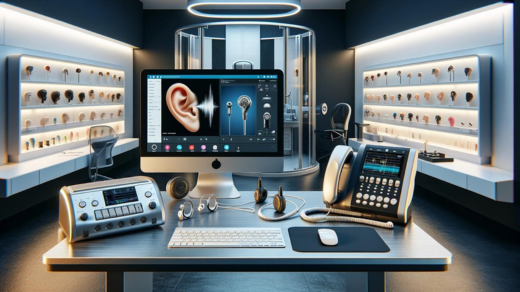
    6. Audiology Equipments: The foundation of teleaudiology lies in the use of advanced audiology equipment. These include devices such as digital otoscopes, audiometers, tympanometers, and video conferencing software, all of which enable comprehensive remote assessments.
    7. Digital Otoscopes: Digital otoscopes allow audiologists to examine the ear canal and eardrum remotely. High-resolution images and videos can be captured and transmitted in real-time, enabling accurate diagnosis and treatment planning.
    8. Audiometers: Audiometers are essential tools for assessing hearing sensitivity and detecting hearing loss. Modern audiometers used in teleaudiology are equipped with telecommunication capabilities, allowing for precise testing even at a distance.
    9. Tympanometers: Tympanometers measure the movement of the eardrum in response to pressure changes, helping to diagnose conditions such as middle ear effusion and otitis media. Remote tympanometry is made possible through specialized equipment that can be operated by the patient or a caregiver under the guidance of an audiologist.
    10. Video Conferencing Software: Effective communication is crucial in teleaudiology consultations. Video conferencing software facilitates real-time interaction between audiologists and patients, enabling comprehensive assessments, counseling, and rehabilitation services.
    11. Challenges and Solutions: Despite its many benefits, teleaudiology is not without challenges. Issues such as internet connectivity, technical glitches, and patient privacy concerns can impact the delivery of remote audiological services.
    12. Internet Connectivity: Access to high-speed internet is essential for smooth teleaudiology consultations. In areas with poor connectivity, satellite internet or mobile data solutions may be utilized to ensure uninterrupted communication.
    13. Technical Support: To address technical issues, Apollotelehealth provides comprehensive technical support to both audiologists and patients. This includes troubleshooting assistance, software updates, and guidance on equipment usage.
    14. Patient Education: Educating patients about the benefits and limitations of teleaudiology is essential for successful implementation. Apollotelehealth offers educational resources and materials to help patients feel confident and empowered in their remote audiological care.
    15. Security and Privacy: Protecting patient confidentiality is paramount in teleaudiology. Apollotelehealth adheres to strict security protocols and compliance standards to ensure that patient data remains secure during transmission and storage.
    16. Regulatory Compliance: Compliance with regulatory requirements is another important consideration in teleaudiology. Apollotelehealth ensures that its practices adhere to local and international regulations governing telehealth and patient care.
    17. Future Directions: The future of teleaudiology holds great promise for further innovation and expansion. Advances in technology, such as artificial intelligence and wearable devices, are poised to enhance the delivery of audiological services in the years to come.
    18. Artificial Intelligence: AI-powered algorithms have the potential to streamline the diagnostic process and personalize treatment plans in teleaudiology. By analyzing large datasets and identifying patterns, AI can assist audiologists in making more accurate and efficient clinical decisions.
    19. Wearable Devices: Wearable devices such as hearing aids and cochlear implants are becoming increasingly sophisticated, offering features such as remote programming and real-time monitoring. Teleaudiology platforms can integrate with these devices to provide seamless care management and support.
    20. Global Impact: Teleaudiology has the potential to make a significant impact on a global scale, particularly in underserved communities where access to audiological services is limited. By leveraging technology, Apollotelehealth aims to bridge the gap and improve hearing healthcare worldwide.
    21. Conclusion: In conclusion, teleaudiology represents a groundbreaking advancement in the field of audiology, offering increased accessibility, audiology equipments efficiency, and cost-effectiveness. With the right technology and support from companies like Apollotelehealth, remote audiological care has the potential to transform the lives of millions of individuals with hearing disorders.
    22. Get Started Today: If you’re interested in experiencing the benefits of teleaudiology, reach out to Apollotelehealth to learn more about their innovative solutions and how they can support your audiological needs.
    23. Empowering Patients: Empower yourself with the convenience and flexibility of teleaudiology. Take control of your hearing health journey with Apollotelehealth by your side.
    24. Join the Revolution: Join the teleaudiology revolution and help shape the future of audiological care. Together, we can make hearing healthcare more accessible and inclusive for all.
    25. Stay Informed: Stay informed about the latest developments in teleaudiology and audiological equipment by following Apollotelehealth on social media and subscribing to their newsletter. Together, let’s pave the way for a brighter, more connected future in audiology.