
Moving to a new home often begins with excitement. Maybe you’re getting a little more space, moving closer to work, or finally settling into a neighbourhood you’ve had your eye on for months. Then reality sets in. Cupboards need emptying, furniture needs wrapping, appliances need disconnecting, and somehow all those everyday belongings have to reach the new address safely.
In a busy city like Kanpur, planning matters. A move between residential areas such as Swaroop Nagar, Kidwai Nagar, Kalyanpur, and Kakadeo can involve different road conditions, building layouts, and transportation requirements. Even a short-distance move can become complicated when parking is limited or a large vehicle cannot reach the entrance.
The best approach is to take things one step at a time. You don’t need to organise the entire move in a single afternoon. A little preparation, sensible packing, and reliable support can make the transition considerably easier.
Begin With a Realistic Moving Plan
Start preparing at least two to three weeks before your planned moving date. If you have a large household, more time will be helpful. Write down the main tasks, including sorting belongings, arranging packing materials, contacting relocation providers, and preparing the new property.
Try to assign specific days to different jobs. For example, you could organise the bedrooms during the first weekend and leave the kitchen and everyday essentials for later. This keeps the work manageable and avoids the familiar situation of packing half the house the night before the move.
Confirm the moving date early. If you’re moving into an apartment or a gated residential community, ask about vehicle entry, lift availability, parking, and permitted moving hours. Some buildings have rules about shifting large furniture, and it’s better to know them beforehand.
Reduce Unnecessary Belongings Before Packing
Moving everything you own isn’t always the smartest choice. Most homes contain items that have been forgotten in cupboards or storage areas. Old clothes, unused kitchen appliances, damaged furniture, and duplicate household products can take up considerable space.
Before packing, go through each room and decide what deserves to come along. Separate belongings into items to keep, things to donate or sell, and things that should be discarded.
Be honest with yourself. If a chair has been broken for years and nobody has repaired it, perhaps moving it to another house won’t solve anything. Similarly, there’s little point in packing kitchen equipment you never use.
Decluttering reduces the number of cartons and makes unpacking easier. It may also help control moving expenses, since the volume of goods can influence the size of the vehicle and the amount of labour required.
Choose a Relocation Company Carefully
A moving company can take much of the physical work off your shoulders, but choosing a provider requires some thought. Packing, loading, transportation, unloading, and furniture handling are all important parts of the service.
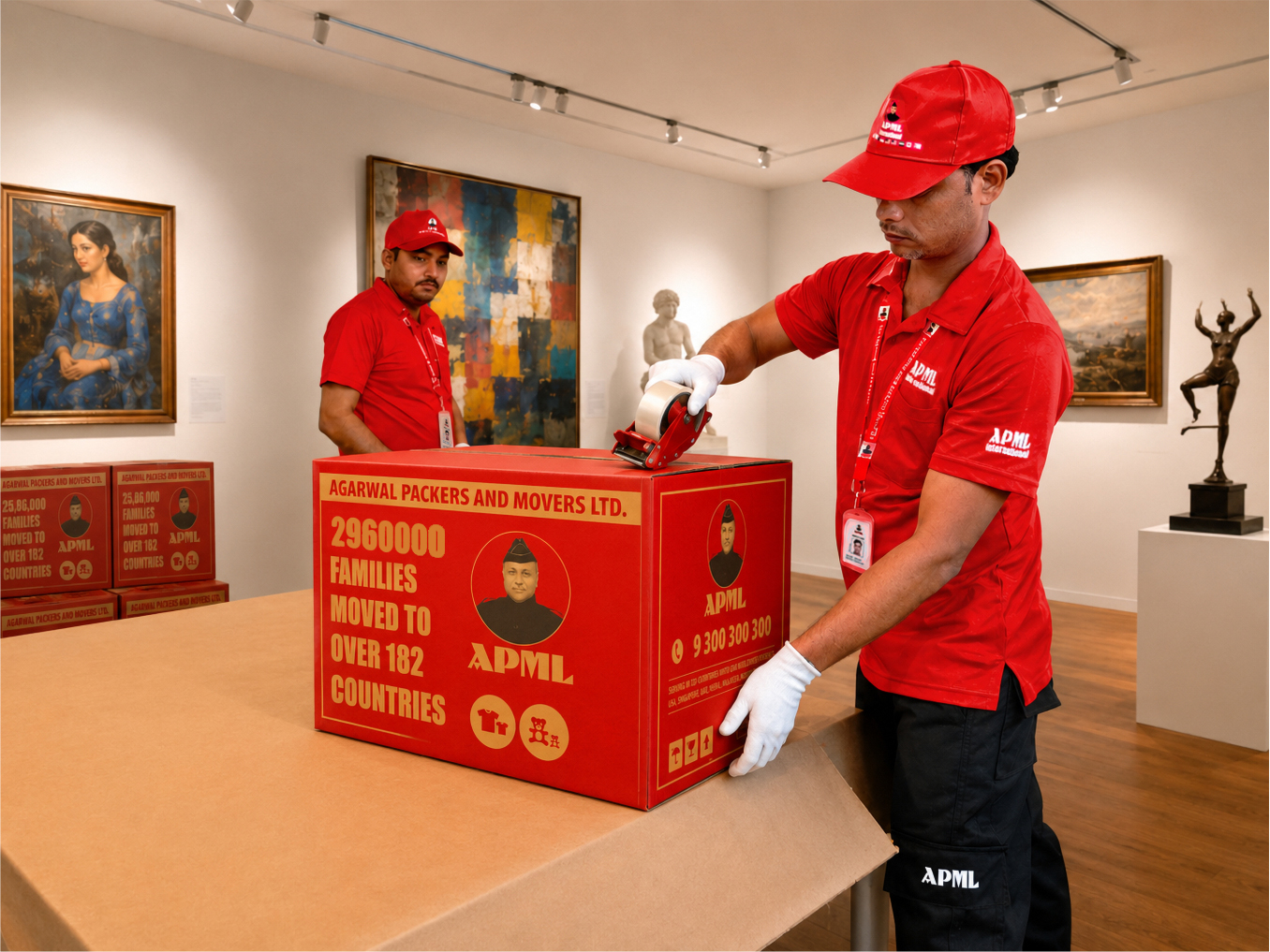
When considering Agarwal Packers and Movers Kanpur , review the available services, customer experiences, packing methods, and transportation arrangements. Ask how fragile goods are protected and whether the team can handle bulky furniture or appliances.
It’s worth requesting a written quotation rather than relying entirely on a quick phone estimate. Share accurate details about your household size, major furniture, appliances, and both property addresses. If a pre-move survey is available, it can help the provider understand the volume of goods more accurately.
Read the quotation carefully. Check which services are included, whether packing materials are covered, and whether extra charges may apply. A clear agreement at the beginning can prevent uncomfortable surprises later.
Pack Room by Room Instead of Rushing
Packing becomes easier when you follow a simple routine. Start with belongings you don’t need every day, such as books, decorative items, spare bedding, and seasonal clothes. Leave frequently used kitchen supplies and everyday essentials until closer to moving day.
Use strong cartons that can support their contents. Bubble wrap, packing paper, foam sheets, and sturdy tape are useful for protecting fragile items. Avoid filling a large box entirely with heavy objects. It may seem efficient at first, but oversized cartons can become difficult to lift and more likely to split.
Label every box with its destination room and a short description. A carton marked “Kitchen – Plates and Bowls” is much easier to identify than one labelled “Miscellaneous.”
Keep glassware, mirrors, framed photographs, and other delicate items properly cushioned. Mark fragile cartons clearly and inform the moving team about them before loading begins.
Take Extra Care With Furniture and Appliances
Large furniture often needs more preparation than smaller household items. Beds, wardrobes, dining tables, and some sofas may need dismantling to pass through doorways or fit inside the transport vehicle.
Keep screws, bolts, and fittings in small labelled bags. Where possible, secure them to the relevant furniture or place them together in a clearly marked carton. Taking photographs before dismantling complicated furniture can also help when it’s time to reassemble everything.
Appliances need attention too. Empty and clean the refrigerator, disconnect the washing machine carefully, and secure loose cables. Televisions and computers should be packed in suitable protective materials. Original packaging is useful when available, though properly cushioned cartons can also provide protection.
Don’t attempt complicated electrical, gas, or plumbing disconnections without the necessary experience. A qualified technician can help prevent damage and avoid unnecessary safety risks.
Understand Kanpur’s Local Moving Conditions
Local access can make a noticeable difference to the moving schedule. Kanpur has established residential neighbourhoods, newer developments, apartment buildings, and areas where internal roads may be narrow or busy.
Share the exact pickup and delivery addresses with your moving provider in advance. Mention staircase access, basement parking, narrow lanes, building entry restrictions, and lift availability. If a large vehicle cannot reach the property directly, the team may need to plan an alternative loading arrangement.
Traffic conditions can also affect travel time. Discuss the expected schedule before moving day and leave some flexibility. A tight timetable can create unnecessary pressure if loading takes longer than expected or the journey is delayed.
If you’re shifting into a residential society, contact the management office and confirm the vehicle entry procedure. Reserve a service lift if necessary.
Compare Services Before Confirming Your Booking
When searching for the Best Packers and Movers in Kanpur , don’t let the lowest quotation make the decision for you. Two providers may quote different prices because their services, packing materials, labour arrangements, and transport options aren’t the same.
Ask straightforward questions before booking. Does the estimate include loading and unloading? Are furniture dismantling and reassembly covered? What happens if delivery is delayed? Is transit insurance available, and what are its conditions?
If you own expensive electronics, artwork, musical instruments, or delicate furniture, explain the requirements separately. Make sure you understand how such belongings will be packed and transported.
A basic inventory is useful as well. List major furniture pieces and keep track of the number of cartons. Save the booking confirmation, payment receipts, and important contact details until the move is completed.
Keep Your First-Day Essentials Separate
One of the simplest ways to make moving day more comfortable is to prepare a separate essentials bag. Don’t pack everything into the moving vehicle.
Include important documents, medicines, phone chargers, toiletries, drinking water, snacks, a change of clothes, and basic cleaning supplies. You may also want to keep bedsheets, towels, and a few kitchen items handy.
Keep cash, jewellery, and valuable personal documents with you. If children, elderly relatives, or pets are part of the move, prepare their immediate necessities separately.
After a long journey, nobody wants to open fifteen cartons just to find a toothbrush or a phone charger. A little planning here saves a surprising amount of frustration.
Inspect the New Home Before Unloading
If possible, visit the new property before the moving vehicle arrives. Check that electricity and water are available, the rooms are clean, and the main entrance is accessible.
Decide where larger furniture should go. Directing the team while unloading can prevent you from having to move heavy items repeatedly. Once the goods arrive, check the cartons and major belongings against your inventory.
If you notice visible damage or missing items, take photographs and contact the moving provider promptly. Keep the relevant paperwork until the issue has been addressed.
Give Yourself Time to Settle In
A successful move isn’t about completing every task perfectly. It’s about making the transition comfortable and keeping avoidable problems under control.
Start early, pack carefully, choose your relocation service thoughtfully, and communicate clearly with the people handling your belongings. Even if a few things don’t go according to plan, a flexible schedule can help you manage the unexpected.
Once you reach your new home in Kanpur, unpack the essentials first. Arrange the bedrooms and kitchen, get the basic routines running, and leave the remaining cartons for another day.
A new home takes time to feel familiar. Give yourself that time. Before long, the boxes will disappear, the furniture will find its place, and the unfamiliar rooms will begin to feel like home.


