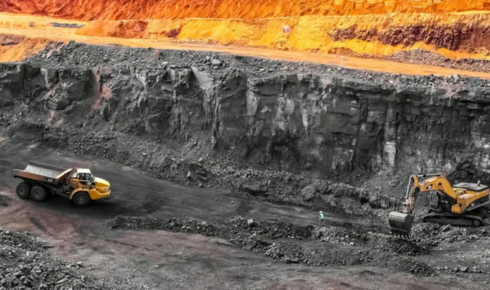
India’s core industries are once again in the spotlight as discussions around the Bharat Coking Coal IPO gain momentum, positioning it as one of the most anticipated developments in the Upcoming IPO space. This capability public issue has drawn attention not only due to the corporation’s scale but also because of its strategic significance in powering the state’s metallic and infrastructure targets. As market sentiment steadily improves and buyers look beyond short-term volatility, interest in huge public quarter services has begun to resurface.
For many years, Bharat Coking Coal Limited has been an important part of India’s energy industry. The company supports metal makers, which are essential to industries including heavy engineering, railroads, and construction, as a major supplier of coking coal. Coking coal, in contrast to thermal coal, has few replacements in the steelmaking industry, giving the corporation a wholly distinct and defendable position within the domestic market. This structural requirement offers a balance that many commodity-based businesses struggle to sustain over extended periods of time.
The employer’s operational scale is one of the most appealing aspects of this suggested issue from the standpoint of an investor. Large mining assets, well-established logistics networks, and long-term supply contracts give Bharat Coking Coal access advantages that can be challenging for new players to get past. Such a scale frequently results in steady cash flows, especially if demand from downstream industries continues to be strong. This element will become particularly relevant in an economic system focused on infrastructure-led growth.
The broader coverage environment is another crucial size. Asset monetization and cost unlocking from public sector firms have been priorities for the Indian government. This strategy is supported by listing a large subsidiary in the coal region, which enables better governance, increased transparency, and market-driven valuation. For buyers, this regularly indicates a shift in the direction of more accountability and performance, which can definitely have an effect on long-term returns.
Naturally, once specific disclosures are made public, financial performance will be a major factor. Due to consistent local demand, coal subsidiaries have historically demonstrated resiliency at some point during economic downturns. Plans for capital expenditures, personnel productivity, and cost systems could all be closely monitored since they immediately impact profitability. Even in a regulated pricing environment, operational efficiency may significantly increase profits if properly managed.
It is impossible to ignore risk factors. The long-term viability of coal has come under scrutiny due to the worldwide movement toward more sustainable and greener electricity. Although coking coal is still necessary for the manufacture of metals, merchants should consider changing regulations and environmental concerns. That stated, India’s developmental wishes and confined alternatives recommend that demand for coking coal is not going to decrease sharply within the near to medium time period.
In determining whether this public offering will be fulfilled, market timing may even be quite important. Large issue investor appetite is frequently influenced by global monetary data, hobby pricing trends, and overall market stability. Both retail and institutional investor engagement can be greatly increased by a well-timed release that is accompanied by reasonable price and transparent information.
Ultimately, this capabilities listing represents more than simply every other marketplace occasion. It illustrates the slow evolution of India’s capital markets and the growing desire to transfer ownership of large, strategically significant companies to the public. This development may represent a crucial turning point that merits careful consideration for traders seeking exposure to middle-class industrial growth over the long term.