Designing and building large electrical control panels is a complex engineering task. Historically, technicians relied entirely on hardwiring every component individually. When you open an older industrial control cabinet, you are often greeted by a tangled web of hundreds of individual coloured wires.
This method is labour-intensive and highly prone to human error. A single misplaced wire during installation can cause a short circuit that shuts down an entire automated production line. When maintenance is required, technicians must spend hours tracing cables through conduits just to locate one faulty connection.
This outdated approach increases downtime and directly impacts operational profitability.
Streamlining with multipin solutions
To eliminate this logistical challenge, modern electrical engineers are changing how they design control panels. One of the most effective strategies involves transitioning away from individual terminal blocks and adopting a structured multipin plug socket system.
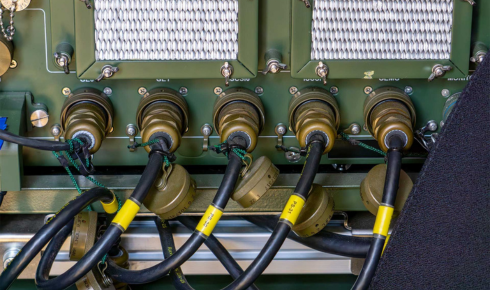
This hardware allows technicians to consolidate multiple power and data circuits into one durable physical interface. Instead of stripping and securing dozens of individual wires, an assembly worker connects one robust plug into its matching socket.
This plug-and-play methodology reduces assembly time significantly, lowers the risk of cross-wiring, and simplifies the internal cabinet layout. The result is faster installation, cleaner design, and easier future maintenance.
The mechanical advantage of circular designs
When consolidating electrical pathways, internal cabinet space becomes critical. Bulky rectangular blocks consume valuable mounting rail capacity and restrict airflow.
To maximise internal density, many design engineers prefer specialised circular multi-pin connectors. The cylindrical geometry supports high pin density within a compact footprint.
This allows complex sensor data, motor power, and communication signals to be routed efficiently without occupying excessive space. The circular design also ensures balanced mating, reducing the likelihood of bent pins or mechanical stress damage during installation and repeated connection cycles.
Enhancing reliability in harsh environments
Panel consolidation only delivers value if the hardware can withstand factory floor conditions. Interfaces connecting machinery to control panels face temperature shifts, vibration, dust, and chemical exposure.
Facility managers must select industrial connectors engineered for durability. Heavy-duty housings combined with compressed sealing systems prevent moisture and fine particles from entering the interface.
This protection ensures that internal electrical pathways remain insulated and stable during daily operations. Reliable sealing directly contributes to reduced signal disruption and improved equipment lifespan.
Pre-fabrication and strategic sourcing
The next stage in panel efficiency involves shifting labour-intensive wiring tasks away from the active factory floor. Multipin systems make this possible by enabling modular, pre-tested wiring assemblies.
By partnering with specialists in cable harness assembly in India, facilities can outsource precision harness fabrication to controlled environments equipped with automated cutting and crimping machinery.
These prefabricated harnesses arrive fully tested and organised, ready for immediate installation. This approach accelerates project timelines, improves wiring accuracy, and reduces on-site labour complexity.
Strategic sourcing from experienced domestic manufacturers also strengthens supply chain reliability and supports faster turnaround times for future expansions or replacements.