
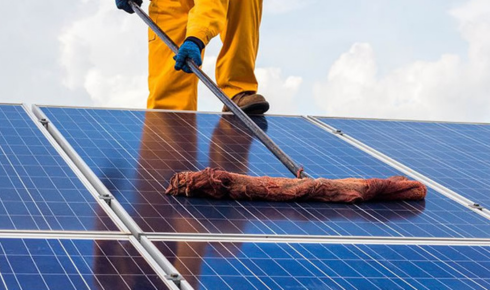
Solar energy systems are a smart investment for homes and businesses, but their efficiency depends heavily on proper care. Dust, bird droppings, leaves, and pollution can reduce energy output if panels are neglected. Understanding the right approach to cleaning and maintenance for solar panels helps ensure consistent performance, longer system life, and maximum return on investment. This guide explains why maintenance matters, how often panels should be cleaned, and the safest ways to keep them in top condition.
Why Solar Panel Cleaning Is Important
Solar panels work by absorbing sunlight and converting it into electricity. Any layer of dirt or debris blocks sunlight from reaching the photovoltaic cells. Even a thin film of dust can lower efficiency by 5–10%, while heavy buildup can reduce output by 20% or more. Over time, this lost energy translates into higher electricity bills and slower payback on your solar system.
Regular maintenance also helps detect potential issues early. Loose wiring, cracks, or shading problems are easier to spot when panels are routinely inspected. Preventive care protects your system from costly repairs and unexpected downtime.
How Often Should Solar Panels Be Cleaned?
The ideal cleaning schedule depends on your location and environment. In dusty or dry regions, panels may need cleaning every 2–3 months. Areas with frequent rain may require less frequent cleaning, as rainfall can naturally wash away light dust. However, rain alone is often not enough to remove sticky residues like bird droppings or pollen.
For most residential systems, cleaning two to four times a year is sufficient. Commercial or industrial installations may need more frequent maintenance due to higher energy demands and larger surface areas.
Safe and Effective Cleaning Methods
Cleaning solar panels does not require harsh chemicals or advanced equipment. In fact, using the wrong tools can damage the surface and reduce efficiency.
Start by checking manufacturer guidelines, as some warranties specify approved cleaning methods. Use soft water, preferably deionized, to avoid mineral deposits. A soft brush, sponge, or microfiber cloth works well for removing dirt without scratching the glass.
Avoid abrasive materials, pressure washers, or strong detergents. High pressure can damage seals and wiring, while chemicals may leave residues that attract more dirt. If panels are installed on rooftops, safety should be the top priority. Use proper safety gear or consider hiring professionals for elevated systems.
Professional Maintenance vs DIY Cleaning
While basic cleaning can be done by homeowners, professional services offer added benefits. Trained technicians use specialized tools and purified water systems to clean panels thoroughly and safely. They also conduct inspections to identify microcracks, loose connections, or inverter issues that may go unnoticed during DIY cleaning.
For large installations or hard-to-reach panels, professional maintenance is often more cost-effective in the long run. It reduces the risk of accidents and ensures the system operates at peak efficiency year-round.
Seasonal Maintenance Tips
Seasonal changes can affect solar panel performance. Before summer, remove dust and pollen buildup to prepare for high sunlight months. During autumn, falling leaves should be cleared regularly to prevent shading. In winter, snow usually slides off panels due to their angled design, but heavy accumulation may need manual removal using soft tools.
Monitoring energy output through your inverter or monitoring app can also help identify when cleaning is needed. A sudden drop in production often indicates dirt buildup or technical issues.
Long-Term Benefits of Regular Maintenance
Consistent care improves efficiency, extends system lifespan, and protects your investment. Clean panels generate more electricity, reduce dependence on grid power, and contribute to lower carbon emissions. Over the life of the system, proper maintenance can significantly increase total energy production.
By focusing on maintaining clean solar panels, homeowners and businesses can enjoy reliable performance and long-term savings. A simple maintenance routine ensures your solar system continues delivering clean, renewable energy for decades to come.
In conclusion, solar panel cleaning and maintenance are not optional tasks—they are essential practices. With the right schedule, tools, and professional support when needed, you can keep your solar panels operating efficiently and sustainably for years ahead.